What's Inside This Plan
I've been helping people clear clutter for over ten years, and I've seen hundreds of checklists. Most are too ambitious. They list forty tasks for a single room and expect you to finish in one weekend. That's exactly why most decluttering attempts stall by Sunday afternoon, leaving you with an even bigger mess and zero motivation.
This decluttering checklist works differently. It's built around a simple truth I learned after my third client burst into tears mid-session: people don't fail at decluttering because they're lazy. They fail because the checklist doesn't match how the human brain handles decisions. Too many choices at once, and you shut down.
So here's what I actually use. It's not fancy. But it has helped a retired teacher clear 20 years of accumulated papers, a young couple fit a nursery into a one-bedroom flat, and a guy who hadn't seen his floor in six months finally host a dinner party.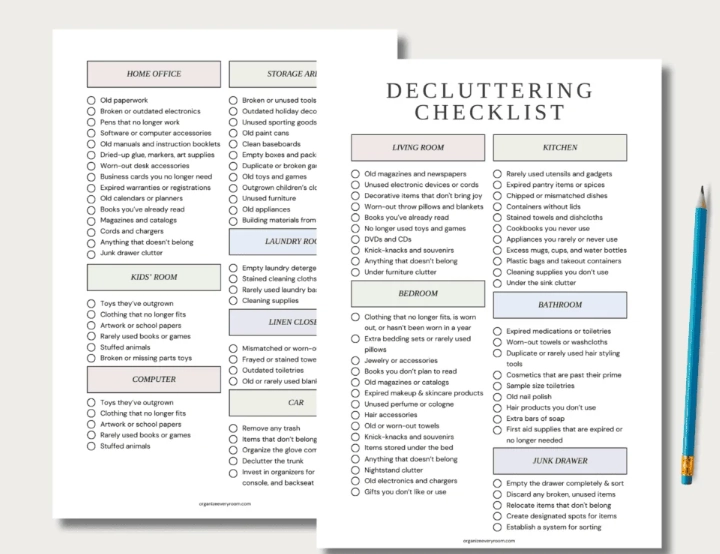
Why Most Decluttering Checklists Fail (And What I Do Instead)
Let me point out a mistake I see in almost every online checklist. They start with the hardest room—usually the garage or the basement. That's backwards. Those places hold years of deferred decisions. Starting there is like climbing Everest before you've trained on a local hill.
I start clients in the bathroom or a small entryway closet. Low emotional attachment, quick wins, and you build the decision muscle before tackling the sentimental stuff. The checklist below follows that order.
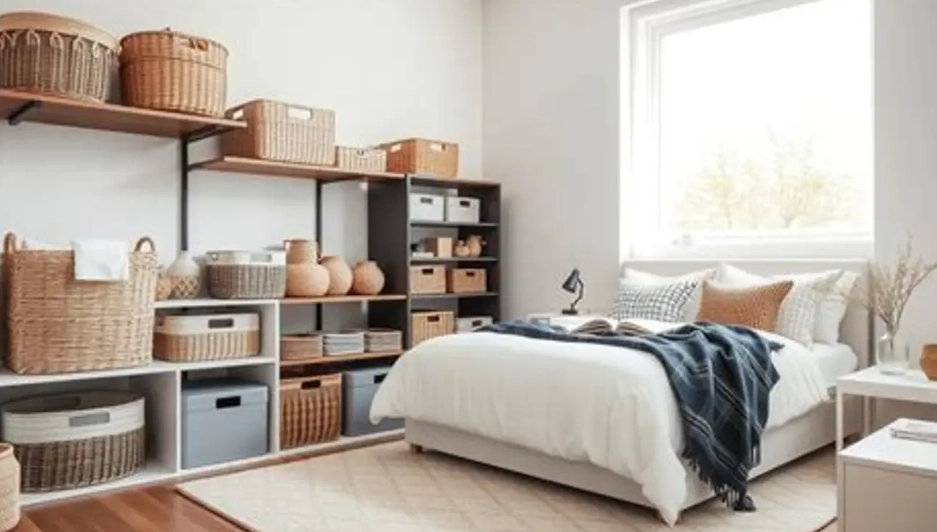
One thing I never do: buy bins and organizers before decluttering. That's the biggest rookie trap. You end up with beautiful containers full of things you don't even like. Clear first. Then measure. Then buy.
Another thing. Traditional checklists tell you to "sort into keep, donate, toss." I add a fourth pile: "decide later." Sounds soft, but it's a pressure valve. Those items go into a box, taped shut, dated. If you haven't opened it in three months, donate the whole box without looking inside. Trust me on this—I've never had a client regret donating that box.
Room-by-Room Decluttering Checklist That Actually Works
Here's the sequence I use with clients. Each room has the top three to five high-impact tasks. Not everything you could do—just the things that make the room functional again.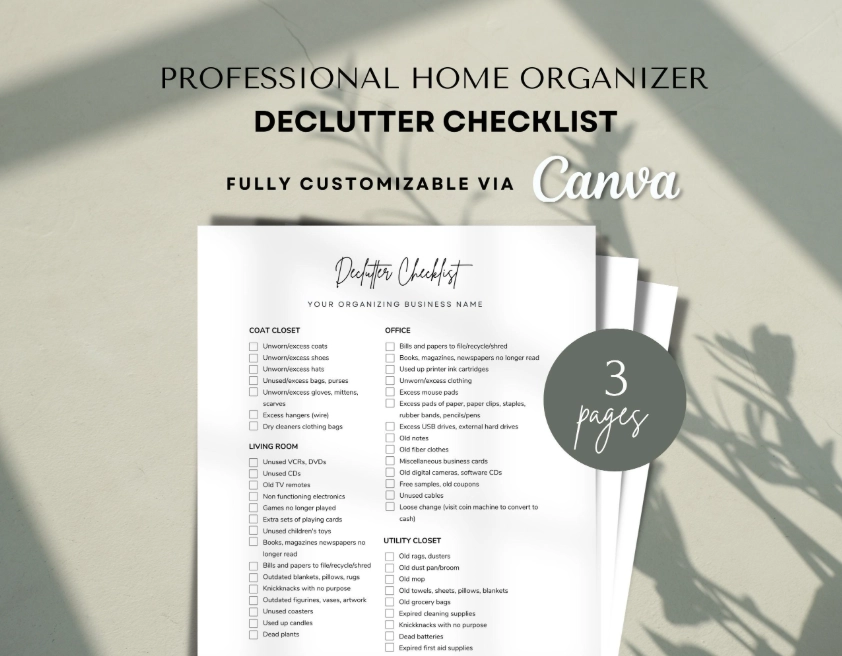
| Room | Key Tasks | Time Estimate |
|---|---|---|
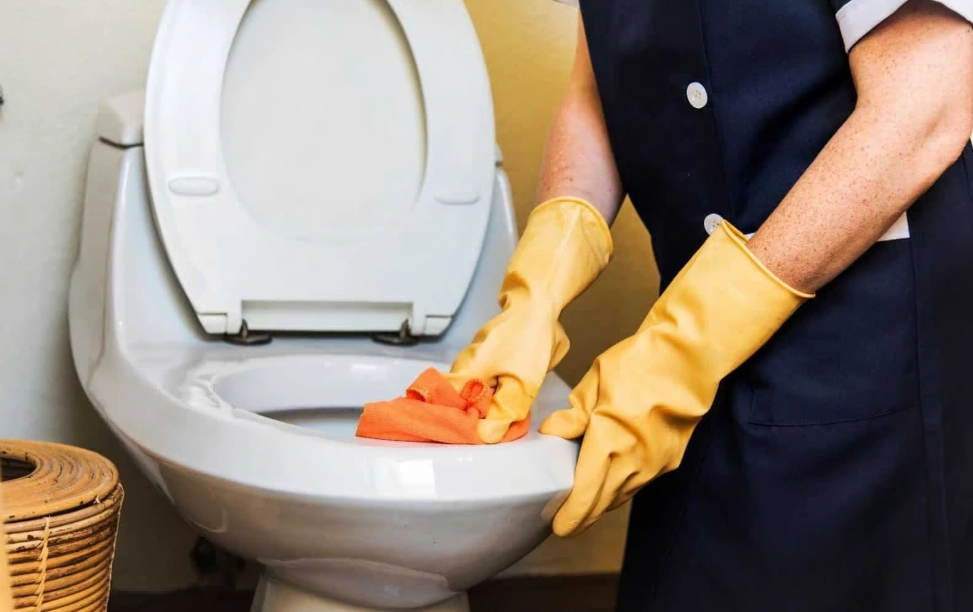
| Bathroom | 1. Toss expired medications and sunscreens. 2. Clear countertops of everything except soap and one hand towel. 3. Sort makeup and toiletries—keep daily items, bin dried-out or broken products. | 30–45 minutes |
| Entryway closet | 1. Remove all shoes, keep pairs actually worn in the last season. 2. Strip out coats that don't fit or you never reach for. 3. Clear the floor—one small basket for keys and mail is enough. | 20–30 minutes |
| Kitchen junk drawer | 1. Empty completely onto a towel. 2. Toss dead batteries, tangled twist ties, takeout menus from closed restaurants. 3. Return only items used weekly, in a drawer divider. | 15–25 minutes |
| Bedroom closet | 1. Pull out clothes you haven't worn in a year (my rule: if you can't remember the last time, let it go). 2. Turn all hangers backward; flip them when you wear the item. After 90 days, donate what's still backward. 3. One shelf for sentimental clothing only. | 60–90 minutes |
| Living room | 1. Clear flat surfaces—coffee table, side tables, TV stand. 2. Sort papers and mail into a single folder. 3. Free the floor space (put one basket for current magazines or remotes). | 45–60 minutes |
| Home office / paperwork | 1. Gather every piece of paper in one box. 2. Shred anything older than seven years (unless it's tax-related—check your local rules). 3. Create three files: action needed, reference, archive. | 2–3 hours (can split into 15-minute chunks) |
Don't skip the bathroom. It sounds silly but clearing expired products from a single shelf gives you a visual win you can see every morning. That's motivation fuel.
How Do You Handle the Sentimental Stuff?
Last. Always last. Beginners often start with photos and childhood letters because they feel most motivated. But that's the emotional deep end. Build confidence in the bathroom and closet first.
For sentimental items, I use a two-box system with clients. Box one: display items—a few photos, a childhood trophy, maybe grandma's recipe book. Box two: keep but don't display. That box gets labeled and stored out of sight. If you open it two years later and feel nothing, let it go.
One client—a guy in his fifties—kept every birthday card his kids ever gave him. We sorted them into a single binder using clear plastic sleeves. He got rid of three moving boxes and kept every single card. Space saved, memory intact.
The 15-Minute Micro-Task Method
Here's the part that makes this decluttering checklist stick. Most people try to block out a full Saturday. That rarely works. Life happens. Kids get sick. Work calls.
Instead, every task below fits into a 15-minute timer. You don't need to finish the whole bathroom. Just do one task. My personal favorite: while the coffee brews in the morning, clear one drawer. That's it. Ten minutes of work, and you start your day with a small win.
If you have a busy family, try the "hot spot" routine every evening at 7 p.m. Everyone grabs one item from a communal space and puts it where it belongs. Not a full cleanup—just one item. Takes five minutes, and the house never spirals back to chaos.
How Do You Decide What to Keep? A 5-Second Rule
I learned this from a professional organizer in Portland. Hold the item in your hand. If you haven't used it in a year and a half, and you wouldn't pay full price to buy it again right now, let it go. That's it. No long deliberation.
The rule works because it bypasses the "but I might need it someday" spiral. Ask yourself instead: "If I needed this, could I borrow one from a neighbor or buy a cheap replacement?" Most of the time the answer is yes.
Now, the exception I make: tools. A decent hammer, a screwdriver set, a tape measure—those earn their keep even if used twice a year. Don't declutter those. Same with a fire extinguisher. Common sense applies.
What About Sentimental Items You Can't Let Go Of?
I get this question on every workshop. Here's my honest answer: you don't have to let go. But you do have to decide. Sentimental clutter is just undecided stuff with an emotional sticker on it.
Pick one or two items that truly represent the memory. A concert ticket stub, a kid's first drawing, a wedding invitation. Put them in a labeled "memories" box. Everything else in the pile—take a photo, then donate or trash. The photo acts as a placeholder. I've done this myself with old journals from my twenties. Kept the two most meaningful ones, photographed the rest, recycled the paper. No regret.
For big items like furniture from a relative, ask yourself: is this useful or does it just hold emotional weight? A dining table used daily is functional. A china cabinet never opened for 10 years is a museum piece you're storing by accident.
Questions I get asked at every workshop
One last thing. This decluttering checklist isn't a test. You don't get a grade at the end. Some rooms will take longer. You might keep things you "should" toss. Fine. The goal is a home that works for you, not a Pinterest board. I've never regretted helping someone keep a sentimental item they loved. I do regret encouraging someone to toss something they later missed. Err on the side of keeping what makes you smile.

Comments