I cleaned houses for six years before I started writing about it. The one thing I learned fast: most people don't have a bathroom cleaning routine problem. They have a sequence problem. They spray the mirror first, then scrub the tub, and by the time they wipe the glass, the spray has dried into streaks. I did this myself for months. Order matters more than effort.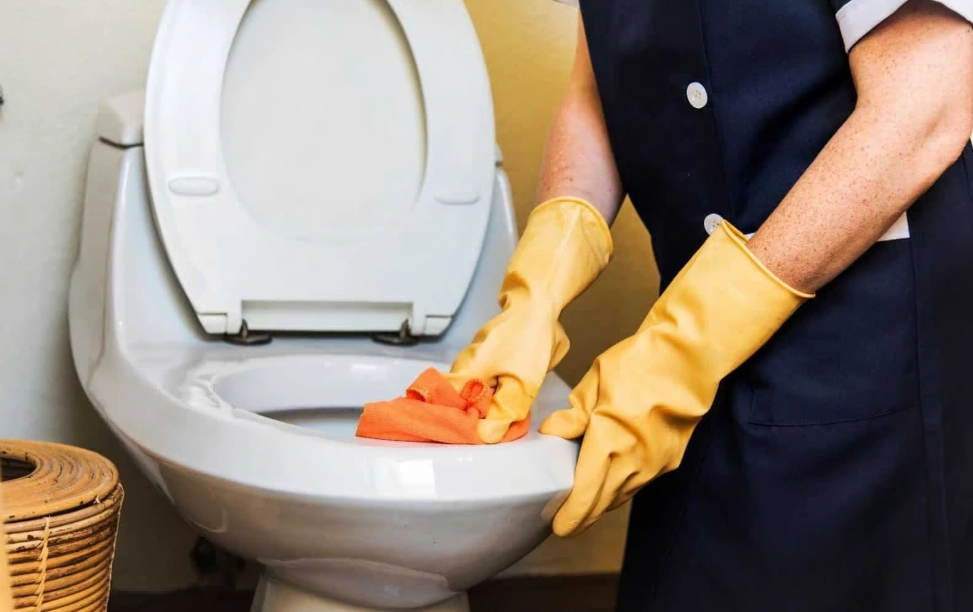
Daily vs Weekly: What You Actually Need
You don't need to deep clean every day. You do need a two-minute reset. Here's the split I use in my own apartment (one full bath, one half bath, two adults, no pets).
| Frequency | Task | Time | Why it matters |
|---|---|---|---|
| Daily | Squeegee shower walls after use | 30 seconds | Stops soap scum from bonding to tile |
| Daily | Wipe sink with a dedicated cloth | 45 seconds | Toothpaste residue hardens overnight |
| 2x weekly | Toilet bowl brush + rim wipe | 3 minutes | Mineral rings form faster than most people think |
| Weekly | Full bathroom cleaning routine (see below) | 20–25 minutes | Keeps grout and caulk from staining |
| Monthly | Grout scrub + showerhead soak | 15 minutes | Hard water buildup is invisible until it isn't |
The daily stuff sounds fussy. It isn't. A squeegee costs less than a coffee, and it cuts my weekly scrub time by about a third. I tested this for two months with and without. The difference was obvious on the shower door tracks.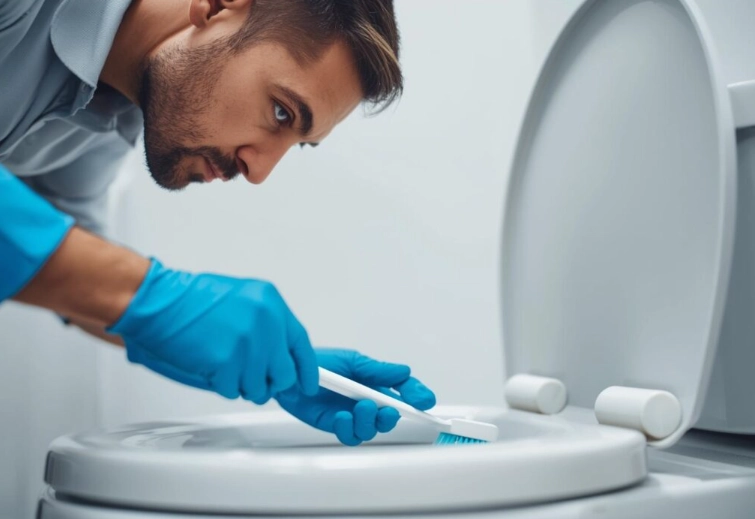
Step-by-Step Bathroom Cleaning Routine
This is the exact order I follow. It's built around dwell time (letting products sit) so you're not standing around waiting.
Step 1: Clear and spray the shower first
Move bottles and loofahs out. Spray shower walls and tub with a bathroom cleaner. Let it sit for at least five minutes (yes, five—most people spray and wipe immediately, which does almost nothing). Walk away.
Step 2: Spray the toilet bowl and exterior
Use a disinfectant spray on the rim, seat, and base. Squirt bowl cleaner under the rim. Let both sit while you do the sink.
Step 3: Clean the mirror and sink
Glass cleaner on the mirror, then a microfiber cloth. For the sink, I use a foaming cleaner and a soft brush around the drain. The brush matters—sponges just push toothpaste into the overflow hole. I learned that one from a plumber who pulled a black sludge plug out of my sink.
Step 4: Scrub the shower and tub
Now the product has sat long enough. Use a non-scratch pad for acrylic tubs, a stiff brush for tile grout. Rinse thoroughly. This is where people cut corners and leave cleaner residue that attracts dirt later.
Step 5: Toilet final pass
Brush the bowl, flush, then wipe the exterior with a disinfecting wipe. Don't forget the floor bolts and the base. I use a dedicated toilet cloth (different color) and wash it separately.
Step 6: Floor and finishing touches
Sweep or vacuum first. Then mop with a bathroom-safe cleaner. Wipe down door handles and light switches—these get skipped constantly but they're germ hot spots.
Mistakes That Make Grime Come Back
I see these constantly. They're not obvious, and they cost you time.
- Spraying cleaner on a dry surface. Most bathroom cleaners work better on a slightly damp surface. Dry tile makes the product bead up and run off.
- Using vinegar on natural stone. If your shower has travertine or marble, vinegar etches the surface. I've seen a homeowner ruin a $2,000 tile job this way. Use a pH-neutral stone cleaner instead.
- Scrubbing grout with a wire brush. It shreds the grout lines. A nylon brush and a little oxygen bleach paste does more with less damage.
- Letting the shower stay wet. Mold needs moisture. A $12 squeegee and a $20 fan timer solve most of this.
Product Shortcuts That Work
I'm not brand-loyal, but I am result-loyal. Here's what earns its shelf space.
- A squeegee with a hook. Mount it inside the shower. If it's not visible, you won't use it.
- Oxygen bleach paste for grout. Mix powder with water to a toothpaste consistency. Apply, wait 20 minutes, scrub, rinse. Works better than most dedicated grout cleaners I've tested.
- Microfiber cloths in two colors. One for sink/mirror, one for toilet. Never cross them. This is the single easiest way to stop spreading bacteria around.
- A showerhead soak bag. Fill a zip bag with white vinegar, tie it around the showerhead, leave it for an hour. Mineral deposits break down without scrubbing. I do this monthly and the spray pattern stays even.
As for the EPA's Safer Choice program—if you're sensitive to fumes, that's a good place to cross-check product labels. The CDC also has a solid page on bathroom hygiene and mold prevention that's worth a read if you're dealing with recurring mildew.

Comments