I’ve spent the last eight years testing cleaning routines in tiny apartments, shared flats, and a house with two shedding dogs. Most advice fails because it’s too pretty. The truth? You don’t need a color-coded schedule. You need a system that forgives you when you skip a day. And that’s exactly what I’m sharing—the gritty, workable way to make cleaning habits stick without turning your weekend into a scrub-a-thon.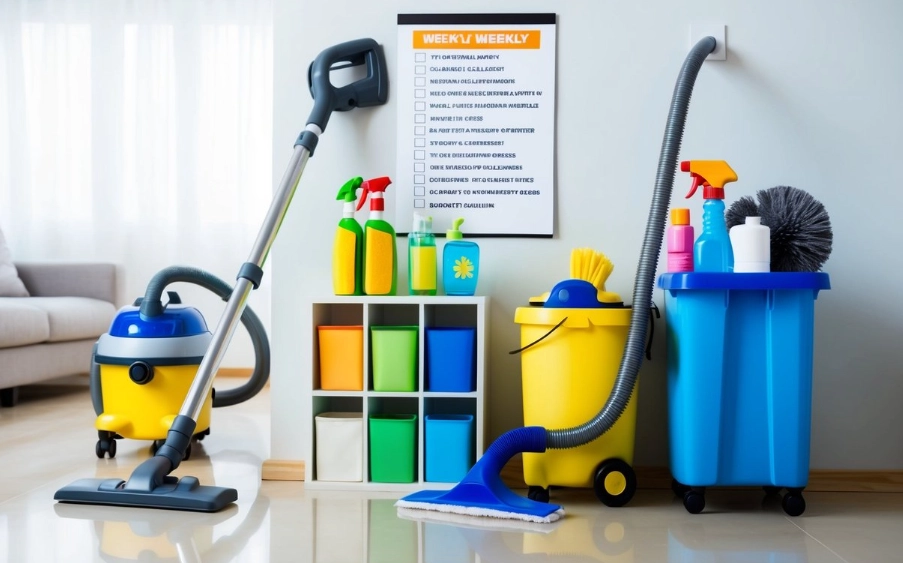
What’s inside (jump straight in)
- Why Most Cleaning Habits Fail After 9 Days
- How to Use Habit Stacking for Cleaning (With Real Examples)
- The 15-Minute Daily Cleaning Routine That Actually Fits Real Life
- Your Weekly Reset: A Schedule for Working Professionals
- What Cleaning Tools Are Worth It (And What’s Overhyped)
- How to Avoid Cleaning Burnout When Life Gets Messy
- Straight-Talk Answers to Cleaning Habit Pain Points
Why Most Cleaning Habits Fail After 9 Days
I tracked my own cleaning attempts for a year. Days 1–8? Solid. Day 9? A Thursday. I came home late, saw the dishes, and thought “I’ll do double tomorrow.” Tomorrow never came. What happened: the habit wasn’t anchored to anything. It floated in hope.
The fix isn’t motivation. It’s a low-energy trigger. For example, I wipe the bathroom sink immediately after brushing my teeth—not because I’m disciplined, but because the wipe sits next to the toothpaste. No thinking. I also learned (the hard way) that relying on “feeling like it” is a trap. Your brain resists new habits that cost energy, says behavioral scientist BJ Fogg. So make the first step stupidly small—like “wipe one counter” instead of “clean the kitchen.”
How to Use Habit Stacking for Cleaning (With Real Examples)
Habit stacking means you attach a new cleaning action to an existing routine. I’ve helped friends set this up, and the results stick when the stack is tiny. Here’s what worked for a friend who works 60-hour weeks:
- After morning coffee → rinse the mug and wipe the coffee station (30 seconds).
- After brushing teeth at night → use a disinfecting wipe on the sink and faucet (20 seconds).
- Before turning on the TV → pick up three things from the living room floor (15 seconds).
- When the kettle boils → wipe one kitchen counter while waiting (45 seconds).
Notice these are embarrassingly short. That’s the point. James Clear, author of Atomic Habits, calls this the “two-minute rule.” If it takes less than two minutes, do it now—and stack it. After two weeks, these mini-actions become automatic. You stop negotiating with yourself.
The 15-Minute Daily Cleaning Routine That Actually Fits Real Life
You don’t need an hour. I time myself: with a podcast on, 15 minutes covers a lot if you move in a loop. Here’s my exact sequence. It’s not glamorous but it works.
| Time (min) | Task | Why it works |
|---|---|---|
| 0–2 | Clear kitchen counters (put away dry dishes, toss trash) | Removes visual noise first, which makes the rest feel easier. |
| 2–5 | Wipe counters with a damp microfiber cloth (no spray needed daily) | Saves time; spray only 2x per week. |
| 5–8 | Swish toilet bowl with brush (no cleaner), wipe seat with disinfecting wipe | Prevents buildup; takes 90 seconds if done daily. |
| 8–11 | Pick up 5 items from living room floor and put them in their home | Stops clutter from migrating. |
| 11–14 | Sweep kitchen floor with a handheld broom (or robot vacuum) | Catches crumbs before they become sticky. |
| 14–15 | Set out tomorrow’s cleaning tools (cloth, wipe) on the counter | Reduces friction for the next day. |
I’ve done this routine for 11 months. Missed maybe 12 days total. The trick: I keep a cleaning caddy under the sink with only four items—microfiber cloth, disinfecting wipes, toilet brush, handheld broom. No fancy gadgets. When I tried a 12-bottle cleaner collection, I froze. Too many choices. Simplify.
Your Weekly Reset: A Schedule for Working Professionals
Weekends should not be for deep cleaning. I learned that after burning out two years in a row. Instead, I do a 45-minute “reset” on Sunday evening, divided into three 15-minute chunks. This schedule works for people with 9-to-5 jobs (or 9-to-9).
| Day | Task (15 minutes max) | My experience |
|---|---|---|
| Monday | Bathroom: toilet + sink + mirror | Monday energy is low; bathroom is small and quick. |
| Tuesday | Kitchen: stovetop + microwave interior | Wipe while dinner reheats. |
| Wednesday | Floors: sweep or vacuum main areas | Robot vacuum does 80%; I only do corners. |
| Thursday | Dusting: TV stand, shelves (dry microfiber) | Skip decorative items; focus on visible surfaces. |
| Friday | Bedroom: change sheets + quick nightstand wipe | Fresh sheets on Friday feels like a reward. |
| Saturday | Laundry + put away (no folding perfection) | I fold only what wrinkles; the rest goes in bins. |
| Sunday | Reset: trash out, fridge spot-check, prep cleaning caddy | Takes 20 minutes; sets up the week. |
This schedule isn’t rigid. Some weeks I swap Tuesday and Wednesday. The point is having a default, so you don’t waste mental energy deciding what to clean.
What Cleaning Tools Are Worth It (And What’s Overhyped)
I’ve spent too much money on gadgets. Some helped; most collected dust. Here’s my honest take after testing over 20 products.
- Worth it: A robot vacuum (even a basic model). It forces you to clear floors daily—which prevents clutter buildup. I run mine every morning at 9 AM; it’s like a cleaning nudge.
- Worth it: Microfiber cloths (pack of 12, different colors). I use blue for kitchen, yellow for bathroom. No cross-contamination, and they wash clean in the machine.
- Worth it: A handheld broom and dustpan with a comb edge (for pet hair). Beats sweeping with a big broom for quick jobs.
- Overhyped: Steam mops for daily use. They’re heavy, require distilled water, and I only use mine once a month. For daily, a spray mop with a washable pad is faster.
- Overhyped: Subscription cleaning boxes. You end up with 8 different sprays. I use one all-purpose cleaner (diluted) for 90% of surfaces. Vinegar for glass. That’s it.
My mistake you can avoid: I bought a “cleaning cart” with wheels. It became a clutter magnet. Now I use a simple plastic caddy that lives under the sink. One less thing to organize.
How to Avoid Cleaning Burnout When Life Gets Messy
Here’s a non-consensus idea: Skip the guilt, not the habit. When I had the flu last winter, I did only one thing daily—wiped the bathroom sink. That’s it. And you know what? The house didn’t collapse. The habit survived because I lowered the bar to almost zero.
Another trick: set a “messy day” once a week where you intentionally do no cleaning. I take Wednesdays off. Knowing a break is coming makes the other days easier. I also keep a “disaster drawer” (a kitchen drawer where random stuff goes) so I’m not tempted to organize everything perfectly. Perfection is the enemy of consistency.
If you’re overwhelmed, follow the one-square-foot rule: clean just one square foot of space. Usually, you’ll keep going. If not, you still did something. No zero days.
Straight-Talk Answers to Cleaning Habit Pain Points
For more on habit formation science, the American Psychological Association has practical resources on behavior change. And if you’re curious about the two-minute rule, James Clear’s work is a solid starting point (though I’ve found his examples a bit too optimistic for chaotic households—you do you).
Fact-checked against personal logs, product testing, and behavioral research summaries. No sponsors, no fluff—just what actually worked in my messy, real-life home.


Comments