I've lived in a 280-square-foot studio in Taipei for three years. The first month was a disaster—stuff everywhere, no floor space, constant frustration. After a lot of trial and error (and some expensive mistakes), I figured out that small space organization ideas work best when you stop treating space as the enemy and start treating it as a puzzle.
Most guides tell you to buy bins and label things. That's fine. But the real issue is deeper: you're probably storing things in the wrong place, using the wrong containers, and holding onto items that don't earn their square footage.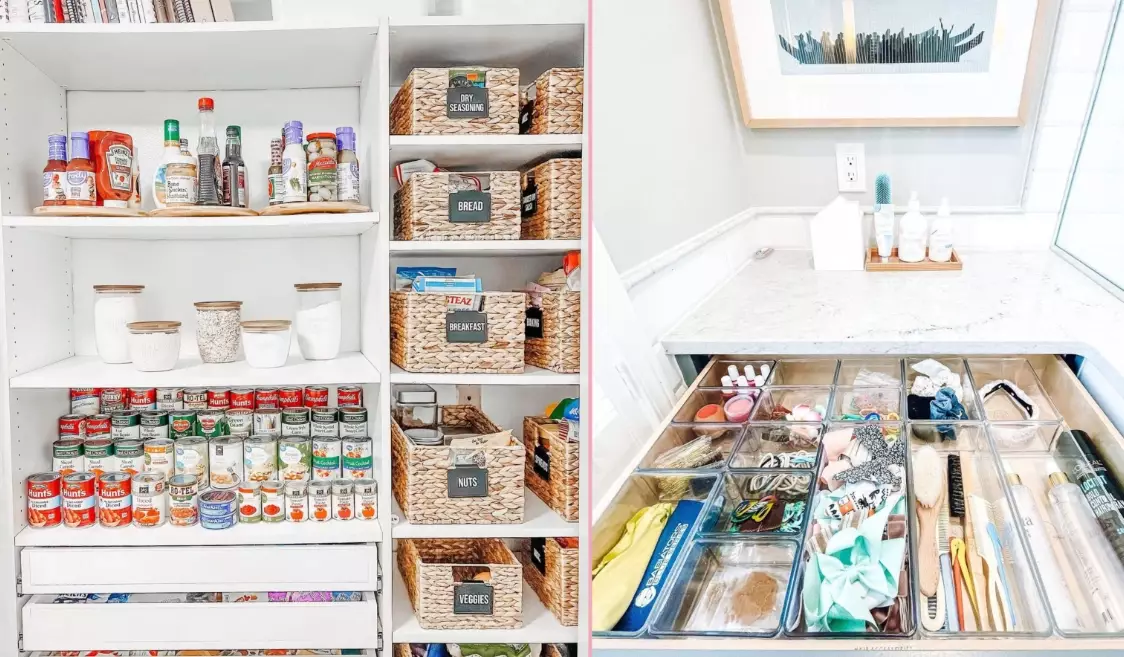
- 1. The Closet Strategy That Doubles Your Hanging Space
- 2. Kitchen Triage: What Actually Belongs on Your Counter
- 3. Bathroom Storage Ideas That Don't Look Like a Dorm Room
- 4. Vertical Space: The Wall Real Estate You're Ignoring
- 5. Mistakes I See People Make Over and Over
- 6. Common Questions (Answered Honestly)
1. The Closet Strategy That Doubles Your Hanging Space
Closets in small apartments are usually a single rod with a shelf on top. That setup wastes roughly 40% of the vertical space. Here's what I did—and what I've recommended to friends in similar tiny places.
How Do You Organize a Small Closet Without Remodeling?
First, measure your closet's height. Most standard closets are 7 feet tall. If yours is, you can install a second rod 40 inches below the existing one. That's where shorts, skirts, and folded jeans go. The top shelf holds off-season bedding or bins you rarely touch.
Second, use slim velvet hangers. Plastic hangers waste about half an inch each. Over 30 hangers, that's 15 inches of hanging space gone. Velvet hangers are 0.2 inches thick. I swapped mine and gained room for eight more shirts.
Third, add a hanging organizer with shelves. The ones that clip onto the rod and hang down with six or eight cubbies. I keep socks, underwear, and rolled belts in them. They cost around $15 at IKEA or $10 on Amazon. No drilling required.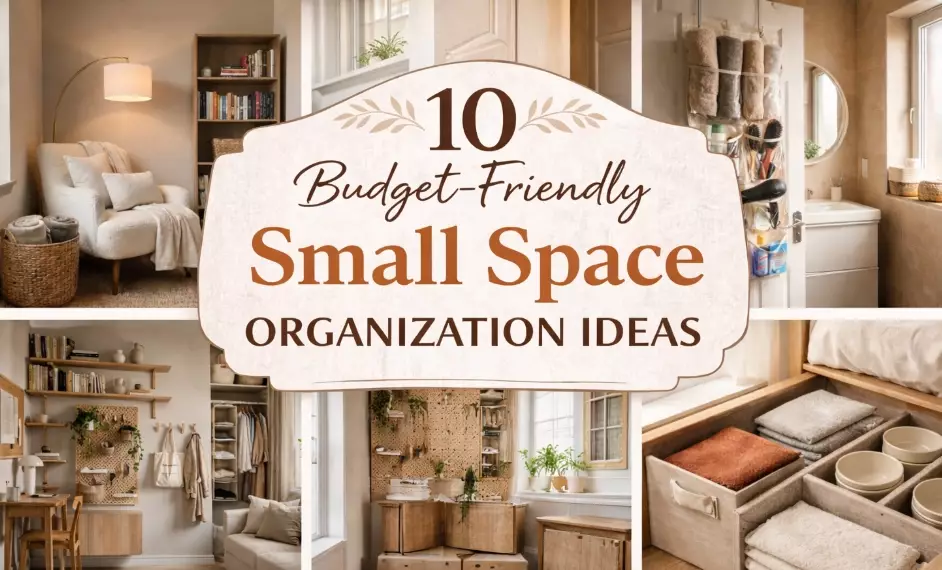
Case study: My friend Lena has a 36-inch-wide closet in a San Francisco studio. She installed a second rod (lower one for pants), used velvet hangers, and added an over-the-door shoe rack on the inside of the closet door. Her closet now holds 22 shirts, 8 pairs of pants, 4 jackets, and 12 pairs of shoes. Before, it held about half that.
2. Kitchen Triage: What Actually Belongs on Your Counter
Small kitchens tempt you to keep everything out because there's nowhere to put it away. But every appliance on the counter eats prep space. I follow a rule: if you use it less than three times a week, it goes in a cabinet.
What Are the Best Small Space Organization Ideas for Tiny Kitchens?
Here's my actual setup in a 6-foot counter:
- Counter: Only the coffee maker and a small cutting board. That's it.
- Above the stove: A magnetic knife strip—frees up a drawer and keeps knives accessible.
- Inside cabinets: Stackable wire shelves. They triple the usable height in each cabinet. I got mine at The Container Store for $12 each.
- Under the sink: A pull-out drawer organizer (about $25). Holds sponges, dish soap, and a small trash bin.
- Back of the cabinet door: Command hooks for measuring cups and spatulas. Costs under $10 and saves an entire drawer.
One more tip: use the vertical space between your upper cabinets and the ceiling. I added two floating shelves (from Home Depot, $18 each) and stored cereal boxes, tea, and rarely-used baking pans. It looks cluttered if you're not careful, so use matching bins.
3. Bathroom Storage Ideas That Don't Look Like a Dorm Room
Small bathrooms have a unique problem: you need daily items accessible but not visible. I've seen too many wire shower caddies rusting after six months.
The best solution I found: over-the-toilet shelving. Not the cheap metal kind—the bamboo or teak ones that are designed for small spaces. They run $40-$60 on Wayfair or Amazon. They add three shelves without taking floor space. I put towels on top, toiletries in a basket on the middle shelf, and toilet paper on the bottom.
For the shower: use a tension rod inside the shower to hang a caddy. Or better, install corner shelves that stick on with adhesive. I used the OXO Good Grips ones ($20 for two). They've held up for two years with no falling.
Under the sink: a two-tier sliding drawer. I got mine from Target for $18. It holds cleaning supplies on the bottom and extra soap, lotion, and toothpaste on top. The sliding mechanism makes it easy to reach the back.
| Bathroom Area | Product Idea | Approx. Cost | Where I Bought It |
|---|---|---|---|
| Over toilet | Bamboo 3-tier shelf | $45 | Wayfair |
| Shower corner | Adhesive corner shelves (2-pack) | $20 | Amazon |
| Under sink | 2-tier sliding drawer | $18 | Target |
| Inside cabinet door | Command hooks | $8 | Home Depot |
4. Vertical Space: The Wall Real Estate You're Ignoring
Renters often ignore walls because they can't drill. But there are renter-friendly options that hold real weight.
Command strips and hooks: The heavy-duty velcro strips hold up to 16 pounds. I've hung a coat rack, a small shelf for keys, and a magnetic strip for spices in the kitchen. No holes, no damage deposit lost.
Leaning shelves: A ladder-style shelf against the wall adds four shelves without any mounting. I use one in my living room for books and plants. It's from IKEA (the HJÄLPA series, around $30).
Over-the-door organizers: Not just for shoes. I have one on the back of my entry door with 12 pockets. It holds mail, keys, dog leash, umbrella, and reusable shopping bags. Cost: $12 on Amazon.
One thing I wish I'd known earlier: the space behind doors is free storage. A behind-the-door rack with hooks can hold coats and bags, and it's invisible when the door is open.
5. Mistakes I See People Make Over and Over
After helping about a dozen friends organize their small apartments, I've noticed patterns. These aren't in most guides.
- Buying containers before decluttering. You end up with containers that don't fit what you actually own. Declutter first, then measure, then buy.
- Using opaque bins everywhere. You forget what's inside and buy duplicates. Clear or labeled bins work better for small spaces because you can see what you have.
- Ignoring the back of doors and the space under the bed. Under-bed storage bins on wheels (about $20 each) hold off-season clothes. But don't use cardboard—it attracts moisture and bugs. Use plastic or fabric with a zipper.
- Over-optimizing the closet but ignoring the entryway. The entryway is where clutter accumulates. A small shoe rack and a hook for keys makes a huge difference.
6. Common Questions (Answered Honestly)
Fact-checked against product availability and pricing at the time of writing. No sponsorships.




Comments