My Honest Roadmap (Start Here)
I’ve walked into hundreds of homes as a professional organizer. The pattern is always the same. People don’t fail at decluttering because they lack willpower. They fail because they start with the wrong drawer.
You want to learn how to declutter your home without the emotional burnout. The secret is not a color-coded label system. It’s a sequence. Deal with the loud, obvious piles first. Save the sentimental stuff for last. That’s the version I’m sharing here.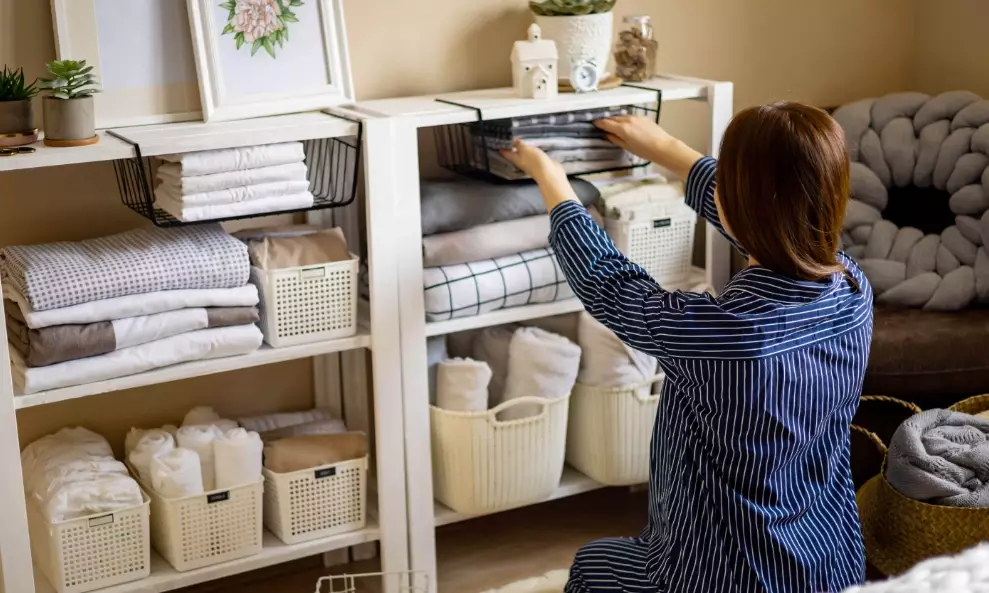
Why Most Decluttering Plans Fail Before Day One
I once spent two hours with a client named Dana. She wanted to “tackle everything in one weekend.” By Saturday afternoon, she was sitting on the floor of her garage, surrounded by old tax returns and baby clothes, crying.
The mistake wasn’t her energy. It was her starting point. She began with the hardest category—memories—while the kitchen counters were still buried under mail.
How to Declutter Your Home Room by Room
Forget the “whole house in a day” fantasy. Here’s the order I use with clients, ranked by emotional difficulty (lowest first).
| Zone | Time estimate (first pass) | Main trap |
|---|---|---|
| Bathroom & linen closet | 45 minutes | Expired medications and hotel samples |
| Kitchen counters & pantry | 2 hours | Duplicate utensils and “just in case” appliances |
| Living room surfaces | 1 hour | Paper piles and charging cables |
| Bedroom closet | 2.5 hours | Clothes that “might fit someday” |
| Kids’ toys (if applicable) | 1.5 hours | Broken items and tiny plastic parts |
| Sentimental items | Separate day | Guilt and “this was expensive” |
Start with the bathroom. It’s small, it has clear expiration dates, and you won’t feel nostalgic about a dried-out mascara.
My 15-minute bathroom sprint
Grab a trash bag and a donate box. Open every drawer. Toss anything expired (check the little jar symbol on cosmetics). If you haven’t used a product in six months, it goes. That’s it. No reorganizing yet—just removal.
The Kitchen Zone: Where Clutter Hides Best
Kitchens are sneaky. I’ve never seen a kitchen that didn’t have at least three spatulas too many. The counter clutter usually comes from three sources: mail, charging stations, and small appliances you use less than once a month.
Bedroom Reset: Sleep Better With Less Stuff
Your bedroom should be boring. Boring is good for sleep. A chair covered in clothes tells your brain “daytime tasks still need doing.” I ask clients to remove everything from the bedroom floor and the chair before they go to bed for one night.
Then we sort the pile into three categories: laundry, rehang, donate. The “rehang” pile often reveals that you have more hangers than clothes. Get rid of half the hangers. You’ll magically have less clothing clutter.
How Do You Keep It From Coming Back?
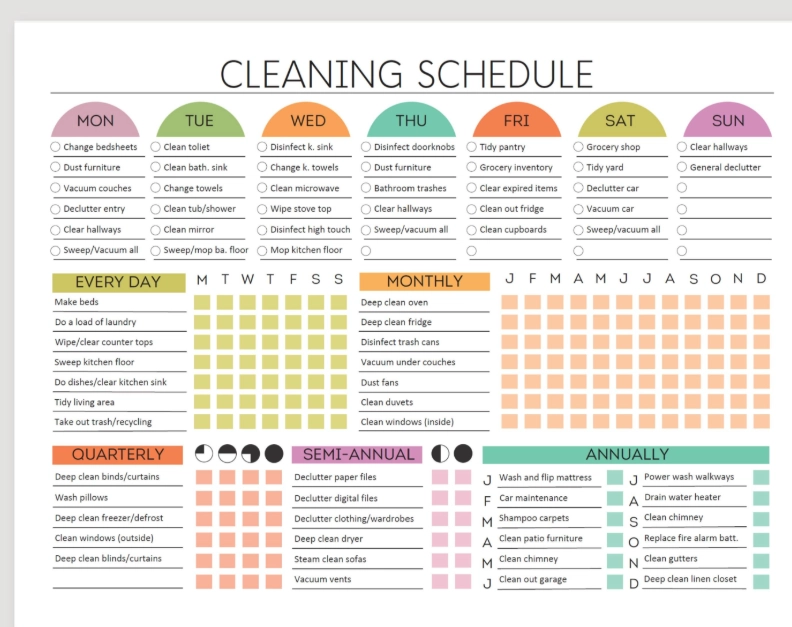
You don’t need a daily checklist. You need one rule: the 12-inch boundary. I learned this from a friend who runs a small cleaning business. Nothing lands on the kitchen counter within 12 inches of the sink or stove. That zone stays clear. Everything else has a “home” (a basket, a folder, a drawer).
If an item has no home, it’s clutter by definition. So the real question after decluttering is: what’s staying? Not what’s going?
Real Questions From People Who’ve Tried
Fact-checked and based on in-person client sessions across urban apartments and suburban homes. No affiliation with any product brand.


Comments