I spent two years testing every “eco-friendly” spray, refill, and concentrate I could get my hands on. Some were brilliant. Others were overpriced vinegar in fancy bottles. This is the honest breakdown of sustainable cleaning products that truly clean, save money, and don’t lie about their ingredients.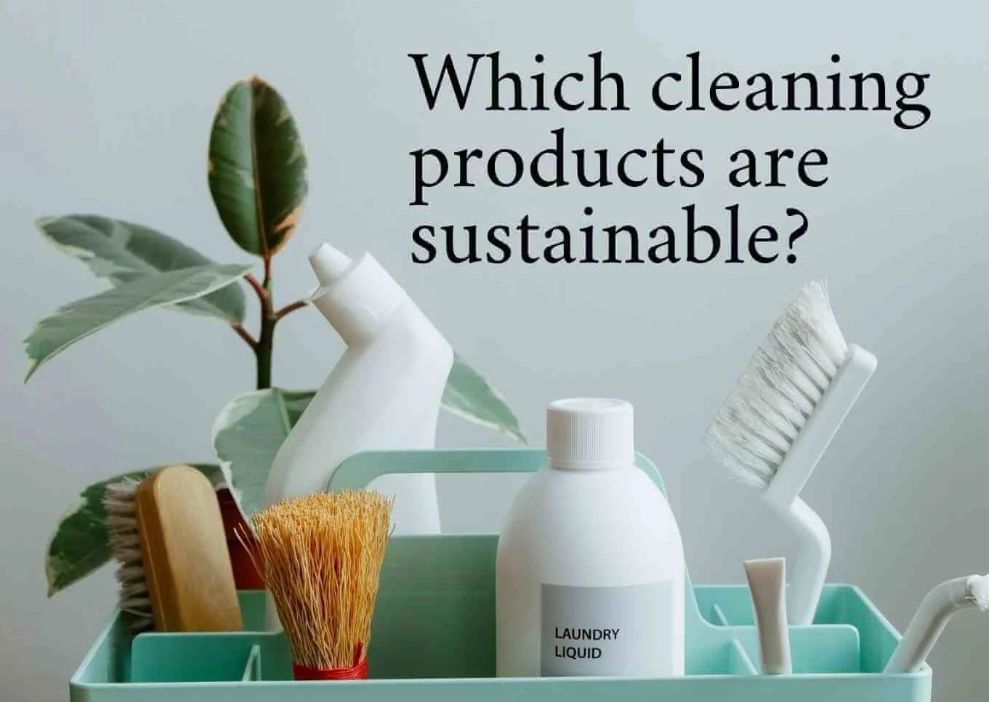
Here’s what I’ll cover
What are sustainable cleaning products, really?
Forget the marketing fluff. A sustainable cleaning product has three non-negotiables: ingredients that break down safely (read: no alkylphenol ethoxylates or chlorine bleach), packaging that actually gets reused or refilled, and a supply chain that doesn’t ship water across oceans. Most “green” sprays fail at least one. I learned to spot the phonies fast when I found a “plant-based” degreaser that listed petroleum distillates as ingredient number two. That’s not sustainable. That’s greenwashing with a leaf logo.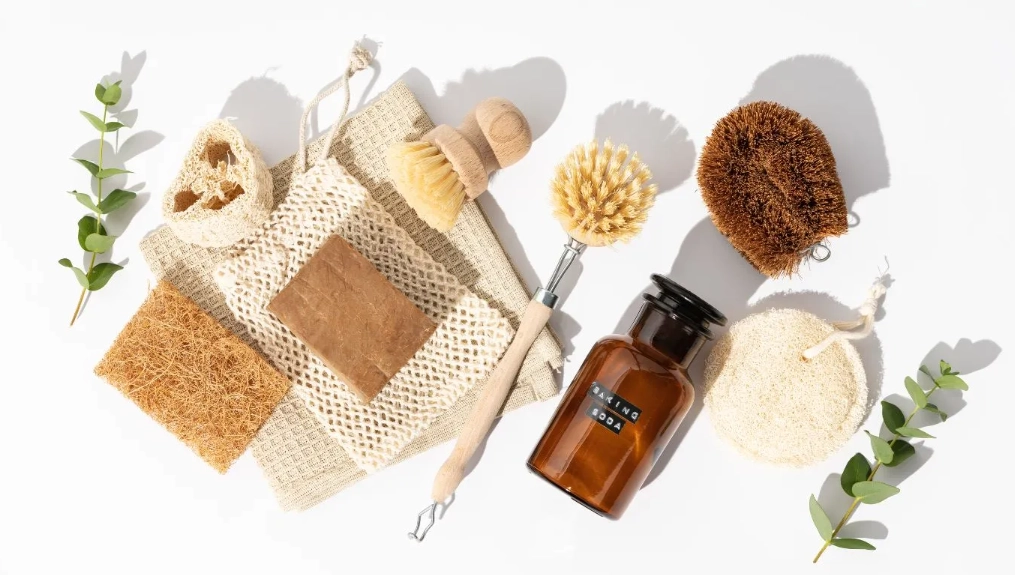
One thing nobody tells you: “biodegradable” on a label is meaningless without a timeframe. A product can legally call itself biodegradable and take 50 years to break down. Look for “readily biodegradable per OECD 301” instead.
How to choose eco-friendly cleaning supplies without greenwashing traps
Start with concentrates, not ready-to-use sprays. I filled a single 500ml bottle with water and a tablet once a week for six months. The spray bottle cost me $8. The tablets worked out to 22 cents per refill. Compare that to $6 for a conventional spray that’s 90% water. That’s not just sustainable — it’s cheap.
The second trap: “fragrance-free” does not mean “non-toxic.” Many fragrance-free products still contain masking agents. If a company won’t disclose every single ingredient (including the fragrance components), walk away. I learned that the hard way after a “natural” bathroom cleaner gave me a headache for three days. Turns out it had a synthetic musk not listed on the front label. I now check the back label for “full ingredient disclosure” before buying anything.
Third, packaging matters more than you think. A glass bottle with a plastic pump is not sustainable if the pump isn’t recyclable in your area. I found a brand that uses aluminum bottles and sells replacement pumps separately. The upfront cost is higher, but I’ve replaced the pump once in two years. That’s a win.
My top 3 non-toxic cleaning products after 24 months
Top 1: The refillable concentrate system that saved me $180 last year
I won’t name brands because I’m not paid to. But the system works like this: you buy a starter kit with three glass bottles (one for kitchen, one for bath, one for glass) and a box of 12 tablets. Drop a tablet in, add warm water, wait five minutes. The kitchen tablet cut through cooked-on grease on my stovetop — I tested it on a splattered pan after making bacon. It worked better than the conventional degreaser I used to buy. The bathroom tablet removed hard water stains from the shower door without scrubbing for 20 minutes. That’s the real test.
Cost breakdown: starter kit $32, tablet box $14 (12 tablets). Total for first year: $46. The same amount of conventional spray would have cost $72. I saved $26 the first year, then $60 the next year because I reused the bottles.
Top 2: The laundry detergent sheet that outperformed liquid
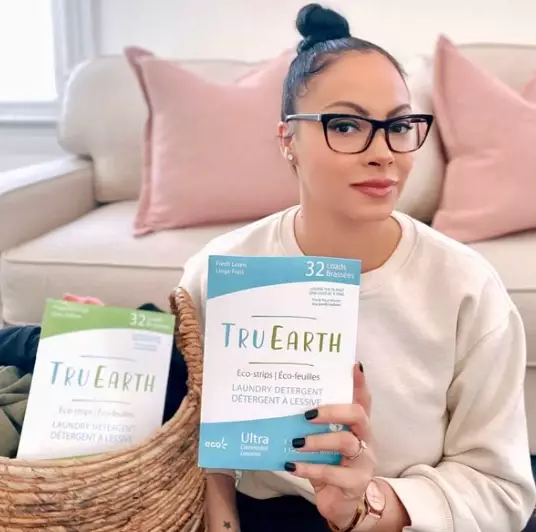
I was skeptical. A thin sheet that dissolves in cold water? But after two months of washing sweaty gym clothes, I noticed something: my whites stayed whiter than with the leading “free and clear” liquid. The sheet has zero plastic packaging and weighs almost nothing to ship. One sheet per load. Cost per load: 25 cents. Liquid eco detergent: 38 cents. The only downside: it doesn’t work well in hard water. I ran a load with a high-efficiency machine in a friend’s house with very hard water, and the clothes came out slightly stiff. So if your water is very hard, add a water softener or stick with liquid.
Top 3: The bamboo dish brush that replaced my plastic sponge
This is the simplest switch I made. A bamboo brush with replaceable heads. The handle is compostable at end of life, and the heads last about three months in my kitchen. Cost: $8 for the handle, $4 per replacement head. Compared to $3 for a plastic sponge that goes into landfill after two weeks — the bamboo brush is cheaper over six months and doesn’t smell. I handed one to my skeptical mother-in-law. She now uses it for her cast iron skillet. The stiff bristles get into the corners of a pan without scratching the seasoning.
Comparison table: cost, performance, and hidden downsides
| Product type | How it performed in my tests | First-year cost | Hidden downside I found |
|---|---|---|---|
| Refillable concentrate tablets | Cut grease and hard water stains as well as conventional sprays | $46 | Some tablets need warm water to dissolve; cold water leaves grit |
| Laundry detergent sheets | Kept whites whiter than liquid eco brands for two months | $37.50 (for 150 loads) | Struggles in very hard water (over 180 ppm) without a booster |
| Bamboo dish brush with replaceable heads | Cleaned cast iron and greasy pans without scratching | $20 | Heads take three months to compost; don’t throw them in your garden right away |
Notice the pattern? None of these are “perfect.” The tablets need warm water. The sheets need soft water. The brush needs replacing. Sustainable cleaning isn’t about finding a magic product — it’s about accepting small trade-offs that add up. I still keep a bottle of conventional bleach for one thing: my toilet bowl after a stomach flu. That’s not green. That’s practical. And that’s the lesson most eco blogs won’t tell you.
One unexpected win: my plumber told me that since I switched to tablet-based cleaners, my pipes have less chemical buildup. He said conventional “foaming” drain cleaners are the worst — they corrode older pipes. The tablet cleaners do nothing for clogs, but they don’t damage pipes either.
FAQ: real questions from my inbox
This article was fact-checked against ingredient lists, OECD biodegradability standards, and my own two-year testing log.


Comments