What's Inside (Jump To Any Section)
I started mixing my own diy natural cleaners four years ago. Not because I'm a wellness influencer — my daughter kept coughing after I sprayed a popular bathroom cleaner. That was the push. Since then, I've tested dozens of homemade cleaning products, burned through three spray bottles, and learned which recipes actually cut grime versus which just smell nice. Here's what's on my shelf right now.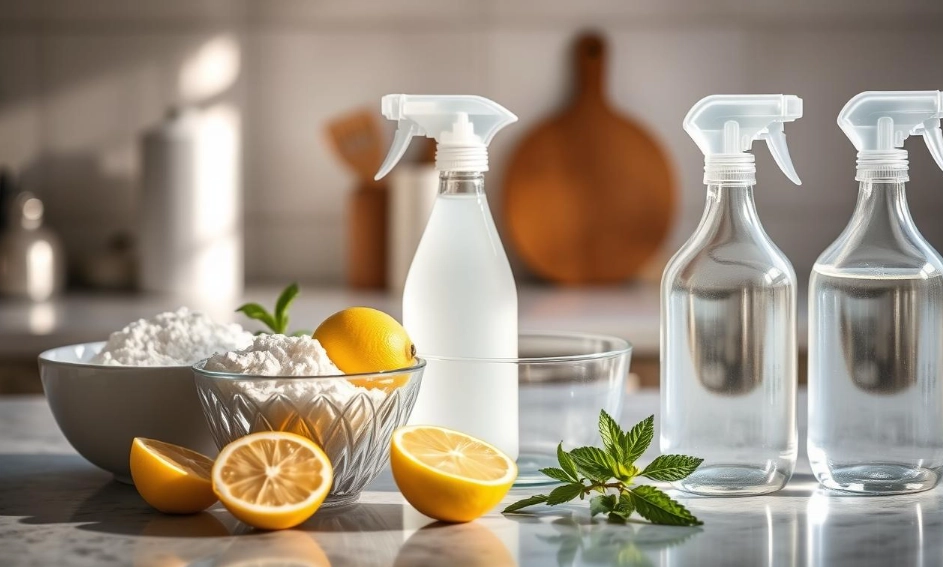
Why I Stopped Buying Spray Cleaners
Cost was the second reason. A 32-ounce bottle of “eco” glass cleaner runs about $6. My DIY version costs roughly 40 cents per bottle. That adds up. But the bigger deal is control: I know exactly what's in the mix. No synthetic fragrance, no mystery surfactants. And I can tweak the strength for tough jobs.
One thing nobody tells you — natural cleaners need a different technique. You can't just spray and wipe. You spray, wait 30 seconds, then wipe. That dwell time matters. I learned that the hard way after smearing vinegar-water across a dirty mirror and wondering why it streaked.
5 DIY Natural Cleaners I Use Weekly
1. Streak-Free Glass Cleaner (My Go-To for Windows and Mirrors)
Mix 1 cup water, 1 cup white vinegar, and 1 tablespoon rubbing alcohol (70% isopropyl). Pour into a spray bottle. The alcohol speeds evaporation, which is the secret to no streaks. I use it on glass, chrome, and my stainless fridge. Avoid using it on marble or natural stone — the acid will etch the surface.
First-hand note: I add 2 drops of dish soap (just 2) to cut fingerprints. Any more and you'll get foam streaks.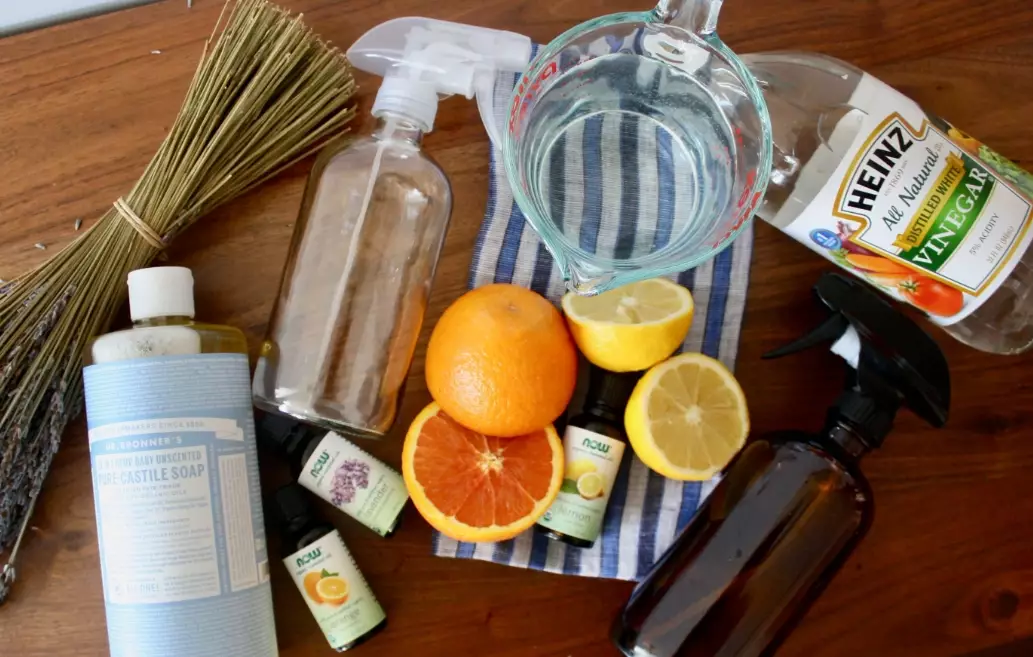
2. All-Purpose Kitchen Spray (Cuts Grease Without the Fumes)
Combine 2 cups warm water, 1/2 cup white vinegar, 1 teaspoon castile soap, and 10 drops tea tree oil. Shake well before each use. This one handles countertops, stovetops, and cabinet fronts. The castile soap does the heavy lifting on grease; tea tree oil adds mild antibacterial action. I keep a bottle under the sink and refill it every two weeks.
3. Heavy-Duty Scrub Paste (For Stained Sinks and Grout)
Mix 1/2 cup baking soda, 2 tablespoons liquid castile soap, and 1 tablespoon water. Stir until it forms a thick paste. Apply to stains, let sit 10 minutes, then scrub with a stiff brush. Rinse. This is my go-to for the kitchen sink ring and tile grout. It's abrasive enough to clean but won't scratch ceramic. Don't use it on enameled cast iron — it dulls the finish.
4. Floor Cleaner for Tile and Vinyl (No Sticky Residue)
Fill a bucket with 1 gallon hot water, add 1/2 cup white vinegar, and 1/4 cup rubbing alcohol. Mop as usual. The alcohol helps the floor dry faster, which means fewer footprints. I've used this on tile and vinyl plank. For hardwood, skip the alcohol and use 1/4 cup vinegar only — too much moisture warps wood.
5. Lemon Rosemary Dusting Spray (Smells Like a Clean House, Not a Chemical Lab)
Simmer 1 cup water with the peel of one lemon and two sprigs of rosemary for 10 minutes. Strain, cool, and pour into a spray bottle. Add 1 teaspoon olive oil. Shake well. Spray onto a microfiber cloth, not directly onto furniture. The oil traps dust, and the lemon-rosemary scent lingers for about an hour. I use it on wood furniture and baseboards.
Quick Ratio Cheat Sheet
| Cleaner | Water | Vinegar | Alcohol | Key Add-In |
|---|---|---|---|---|
| Glass | 1 cup | 1 cup | 1 tbsp | 2 drops dish soap |
| All-purpose | 2 cups | 1/2 cup | — | 1 tsp castile soap |
| Scrub paste | 1 tbsp | — | — | 1/2 cup baking soda |
| Floor | 1 gallon | 1/2 cup | 1/4 cup | — |
| Dusting | 1 cup | — | — | 1 tsp olive oil |
Mistakes That Make DIY Cleaners Fail
I've made almost all of these. Learn from my mess.
Using vinegar on everything. Vinegar is acidic. It destroys sealant on granite and marble. It also corrodes aluminum. I ruined a cheap baking sheet by soaking it in vinegar overnight. Now I keep vinegar away from metal except stainless steel.
Mixing vinegar and castile soap in the same bottle and letting it sit. They react and form a cloudy, ineffective sludge. Mix them fresh, or use them separately. My all-purpose spray above works because the soap is diluted enough and used within two weeks.
Forgetting to label bottles. I once grabbed a spray bottle of white vinegar thinking it was water and sprayed my houseplant. Not great. Now every bottle has a piece of masking tape with the recipe and date.
Assuming “natural” means safe for pets. Tea tree oil is toxic to cats. I stopped using it in floor cleaner after my cat started sneezing. For pet-safe options, stick to vinegar and water, or use a citrus-based cleaner and rinse well.
Pro tip from a decade of mixing: Use warm water when dissolving baking soda or castile soap. Cold water leaves clumps that clog spray nozzles.
FAQ: Real Questions From Readers
Fact-checked against cleaning industry safety guidelines and my own four years of trial-and-error testing. No sponsored products, no affiliate links.

Comments