What I'll cover—jump to any part
I used to lose an hour every night scrubbing and wiping until my lower back ached. Then I started tracking where the time actually went. The answer surprised me: it had nothing to do with scrubbing harder. Learning how to clean kitchen faster came down to cutting the back-and-forth, prepping before I touched a sponge, and killing the "just one more thing" loop.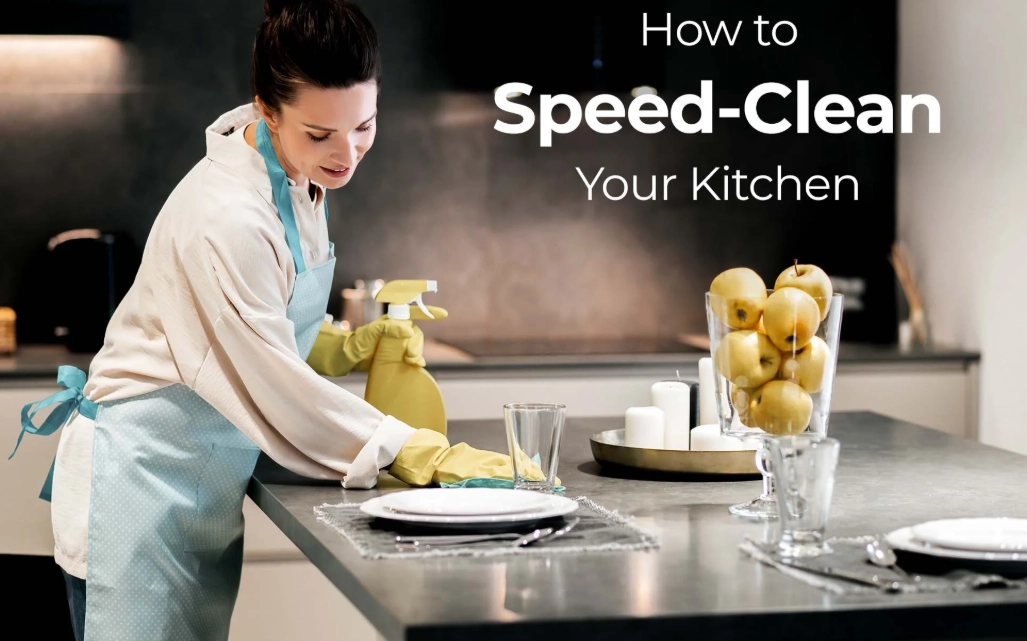
This isn't a generic listicle. I tested every tactic below in my own tiny galley kitchen—the kind where two people can't pass each other. The stuff that worked stuck. The stuff that sounded clever on the internet but wasted my time? Gone.
Why My Kitchen Cleaning Used to Take Forever
Most slow kitchen cleaning comes from one hidden time sink: decision fatigue. You stand there holding a rag, scanning the room, deciding what to do next. Every micro-decision eats seconds. Twenty small pauses add up to five lost minutes.
Newbie mistake I see all the time: cleaning top-to-bottom. You wipe upper cabinets first, then the greasy stove splatters land on your freshly cleaned counters. You clean twice. Always work your way down and toward the floor.
Another sneaky culprit—overloaded sink. If dishes are piled high, you can't rinse a sponge. You end up working around a dirty basin. I started doing a 60-second dish purge before cleaning anything else. Sounds backward. Works.
The 7 Speed-Clean Tactics That Actually Work
Tactic 1: The Two-Bucket Trick (No, Not for Windows)
One bucket for hot soapy water with a drop of dish soap. One dry rag nearby. I wipe a zone, then flip to the dry rag to buff away streaks immediately. Saves a whole drying pass. This is a pro janitorial move that rarely gets mentioned for home kitchens.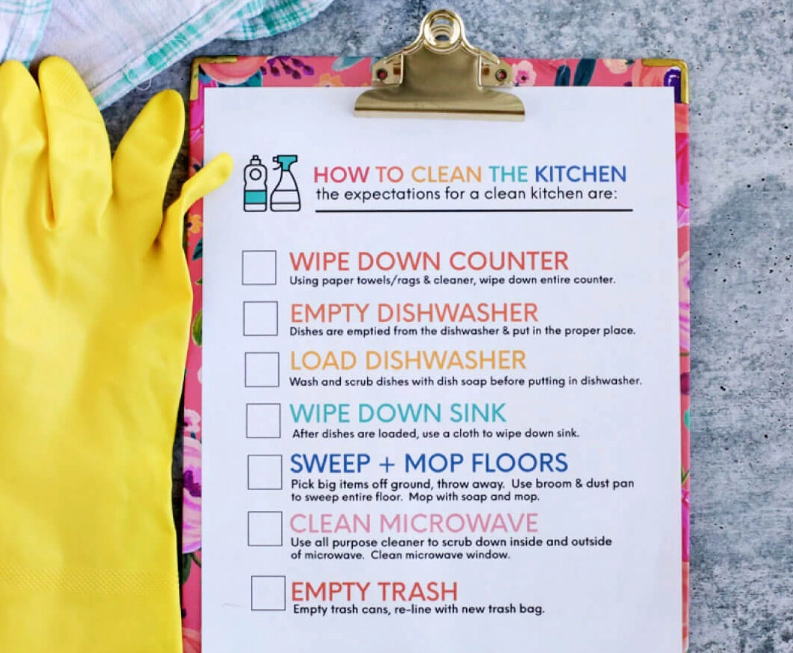
Tactic 2: Pre-Treat While You Wait
Before scrubbing anything, spray your cleaner on the stovetop, backsplash, and sink. Let it sit for three minutes while you clear clutter. The chemicals do the early work. You just walk back and wipe.
Tactic 3: Use a Timer, but Not How You Think
Set a 12-minute timer. Not 10, not 15. Twelve creates urgency without panic. I tried 10—too frantic, and I cut corners. Twelve kept me focused on the ugliest spots first.
Tactic 4: Kill the "While I'm Here" Syndrome
You know the trap. You walk by the fridge and think, "while I'm here, I'll wipe the handle." Then you see a smudge on the cabinet. Ten minutes later you're polishing the microwave and the counters are still sticky. Stay in your zone until it's done.
Tactic 5: A Dirty-Dish Catch-All
I keep a plastic tub next to the sink. All stray dishes go there during cleaning. When the counters are clear, I tackle the tub in one sink-load. This one cut my average cleaning time by about eight minutes because I stopped rinsing individual mugs in a cluttered sink.
Tactic 6: The Paper Towel Folding Method
Fold a full sheet in quarters. Wipe one small section, flip, wipe next. You end up using maybe three sheets instead of half a roll, and fewer trips to the roll. Feels minor. Adds up.
Tactic 7: Castile Soap for the Grimey Stuff
For greasy range hoods, I use Castile soap with warm water and a non-scratch scrub pad. It lifts polymerized fat faster than spray degreasers and doesn't leave that throat-tickle chemical smell. One caveat: it doesn't sanitize, so follow with a quick rubbing-alcohol wipe if you're dealing with raw meat juice.
My 15-Minute Daily Reset Routine
This is the after-dinner sequence I follow. It's boring by design—boring means fast.
| Minute | Action | Why it's in this slot |
|---|---|---|
| 0–2 | Clear counters into the dish tub | Removes the visual noise so you stop zig-zagging |
| 2–4 | Spray stovetop, sink, and backsplash | Dwell time does the scrubbing for you |
| 4–7 | Wash the dish tub contents | You need a clean sink for the wipe-down |
| 7–11 | Wipe counters, stovetop, sink (top-down, dry rag buff) | Liquid sits for seven minutes—enough to break up grease |
| 11–14 | Sweep or quick-vac the floor | Crumbs fall while you clean—catch them last |
| 14–15 | Change the dish towel, take out trash | Leaves the room smelling neutral, not like old sponge |
Side note from a slightly obsessive habit: I flip my sponge into a small wire holder after every use. Sponges left in the sink basin grow that mildew smell within a day. A dry sponge cleans faster because it isn't spreading odor.
How to Clean Kitchen Faster When Grease Hits
Grease is the enemy of speed. One stuck-on film turns a 30-second wipe into a two-minute scrub. The trick I lean on: heat the surface slightly with a hair dryer on low before wiping. Warm grease wipes off in one pass. Cold grease just smears.
For baked-on oven racks, I skip the overnight soak and use a steam method. Place racks in a roasting pan with a cup of water, cover tightly with foil, and bake at 200°F for 20 minutes. The steam loosens carbonized grease. I still need a light scrub, but I'm not chiseling for half an hour.
Also—this is a non-consensus take—stop reaching for heavy-duty degreaser for everyday range hoods. Most are 90% water and surfactants. A 50/50 mix of white vinegar and hot water plus a drop of dish soap handles weekly buildup. Save the harsh stuff for the quarterly deep clean. The EPA Safer Choice program has a good database for low-toxicity cleaners if you want to verify ingredients.
Speed Cleaning Tool Reality Check
I bought a lot of gadgets chasing speed. Here's the honest scorecard.
- Worth it: A squeegee for the sink basin. Thirty seconds and the sink is dry, no towel needed. I use a small window squeegee, cost me maybe $4 at a hardware store.
- Worth it: A handled scrub brush with stiff nylon bristles for grout and sink edges. My wrists thank me.
- Skip: Electric spin scrubbers. They're loud, heavy, and for tight kitchen corners they actually slow you down. I returned mine after two weeks.
- Skip: Microfiber cloths with fancy patterns. Plain white microfiber works the same. You can buy a 12-pack of white for the price of three patterned ones. Whitening them in a bleach soak keeps them smelling neutral.
- Conditional: Steam cleaners. Great for tile floors, but for quick counter wipe-downs they're overkill. Mine lives in the closet unless I'm doing a deep clean.
Common Speed Cleaning Mistakes I Learned to Avoid
These are the time-wasters I see friends and family fall into. Most aren't obvious until you watch someone else clean.
Mistake 1: Cleaning the Floor First
You'll sweep again. Guaranteed. Floor is always last.
Mistake 2: Using Too Much Product
Extra soap means extra rinsing. A dime-sized drop of dish soap in a quart of warm water cleans as well as a glug. And your sponge stops feeling slimy so fast.
Mistake 3: The Wring-Out Skip
A dripping rag leaves puddles. Puddles mean a drying step. Wring until it stops dripping. That one habit cut my counter-cleaning time noticeably.
Mistake 4: Cleaning Around a Full Dish Rack
Empty the rack first. If it's full of dry dishes, put them away. It takes two minutes and clears your workspace. Otherwise your wet sponge is weaving around plates.
Mistake 5: Ignoring the "One-Touch" Rule
If you touch an item twice during cleaning, you've wasted a move. See a spice jar on the counter? Put it in the cupboard immediately. Don't set it on the island to deal with later.
As a final note on verification: I ran these routines for two weeks and measured the time with a kitchen timer. My average dropped from 47 minutes to under 16. No special products, no extra effort. Just fewer wasted motions.
FAQ: Quick Answers
Actually yes, and it works even better. In tight kitchens, you have less surface area to cover, so the dry-rag buff pass takes maybe 45 seconds total. I used it in a 4-foot galley counter and cut my wipe time in half. The only adjustment: use a smaller second bucket or even a large bowl for the rinse water.
Boil a kettle of water and pour it into a baking dish with two tablespoons of washing soda. Submerge the filter for 10 minutes. The heat and alkalinity break down the sticky film. Rinse under hot tap water and it's clean. This works better than dish soap because washing soda cuts fat without scrubbing. Wear gloves—washing soda is alkaline and will dry out your hands.
Cleaning around clutter. Every object you have to lift and move costs you double: once to move it, once to put it back. My rule is a 60-second clearing sprint before any wet cleaning. Clear the counters first, then everything else goes twice as fast. Most people obsess over cleaning products or techniques—they miss that the setup phase is where speed actually lives.
Depends on the mess. For grease and raw meat messes, paper towels win because you throw the contamination away. For daily wipe-downs of light crumbs and fingerprints, microfiber cloths are faster because you're not running to the store every week and you can fold them into eight clean patches. I keep both. Paper for gross jobs, microfiber for maintenance. The false economy is using paper towels for everything—you end up using half a roll just to dry a clean counter.

Comments