What's inside this reset guide
- Why Your Seasonal Reset Fails (And How To Fix It)
- Room-by-Room Seasonal Reset Checklist
- Kitchen: The Grease Trap You Ignore
- Bathroom: Beyond The Obvious Grime
- Living Room & Bedroom: Hidden Dust Zones
- Entryway & Storage: The Overlooked Zones
- How To Reset Without Burnout
- Common Questions I Hear About Seasonal Resets
I've done seasonal resets for over a decade, and the biggest mistake I see? People tackle the whole house in one frantic weekend. It never works. This seasonal home reset checklist breaks it into bite-sized tasks you can spread across a week or two—without the exhaustion. Below, I'll walk through what actually needs attention room by room, based on my own trial and error (and some embarrassing missed spots).
Why Your Seasonal Reset Fails (And How To Fix It)
Most checklists online list "dust shelves" and "clean windows" but skip the real culprits. I learned this the hard way—after scrubbing my kitchen spotless, I found mold growing under the sink because I never checked the drip tray. A seasonal reset isn't about surface shine. It's about resetting the systems that collect grime silently.
My rule: spend 20% of your time on visible areas, 80% on hidden zones. That's why my checklist focuses on the stuff you don't see daily—behind appliances, inside cabinet corners, under furniture. Sounds obvious, but you'd be surprised how many people (including past me) skip these until something smells.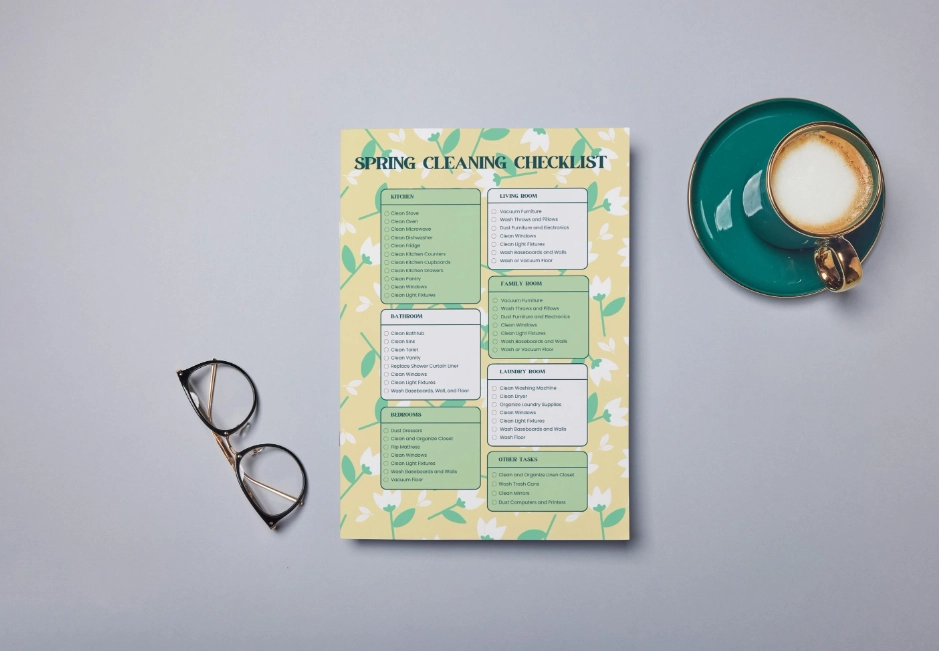
Pro tip I wish I knew earlier:
Use a headlamp when cleaning. Yes, a headlamp. It forces you to see dust in corners and under edges you'd otherwise miss. I started doing this after finding a colony of silverfish behind my bookshelf. Never again.
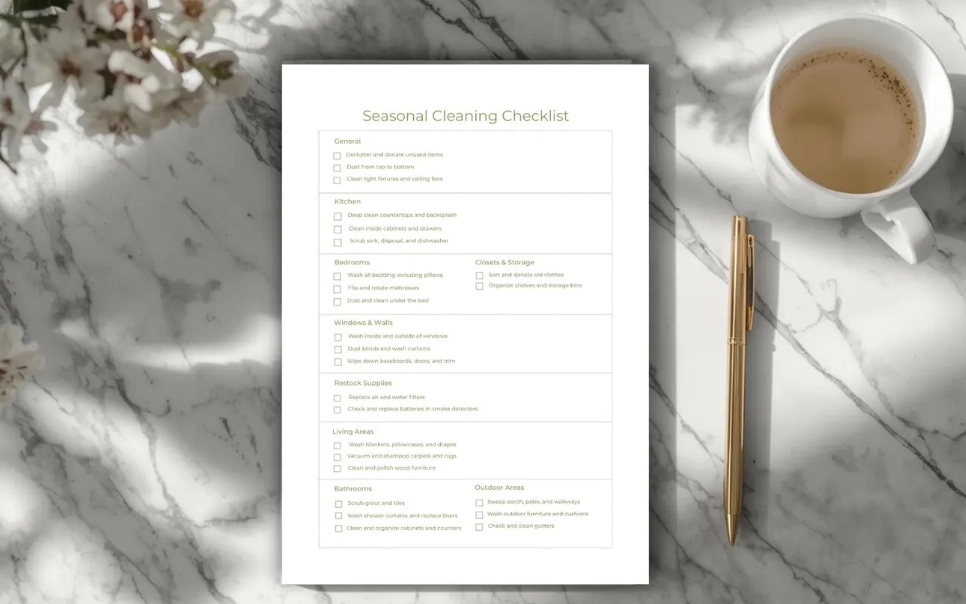
Room-by-Room Seasonal Reset Checklist
Here's the exact sequence I follow. I prioritize rooms that affect air quality first (kitchen, bathroom), then high-traffic zones. Adjust based on your home, but don't skip the order entirely—it saves you from re-dirtying areas you just cleaned.
Kitchen: The Grease Trap You Ignore
Kitchens collect grease in places you don't think about until it's sticky. My first seasonal reset in my own apartment took 4 hours just on the kitchen—because I tackled the range hood filter last. Big mistake. Do that first so you're not spreading grease while cleaning.
- Range hood filter: Soak in hot water + baking soda for 15 minutes before scrubbing. I use a plastic tub from the dollar store specifically for this.
- Behind the fridge: Pull it out (gently) and vacuum the coils. I found a petrified french fry back there from a previous tenant. Use a vacuum brush attachment.
- Cabinet tops and fronts: Grease rises. Wipe with a degreaser—I use a mix of white vinegar and dish soap. Don't forget the space between upper cabinets and ceiling.
- Dishwasher filter and door gasket: Remove the bottom rack, unscrew the filter, rinse. Wipe the gasket with vinegar to prevent mold. My neighbor ignored this for a year and ended up with a smelly dishwasher.
- Under the sink: Check for leaks and wipe the cabinet floor. I keep a small plastic tray there to catch drips and make cleaning easier.
Bathroom: Beyond The Obvious Grime
Bathrooms breed mold faster than you think. I used to just scrub the tub and call it done. Then I realized the exhaust fan was caked with dust—which meant moisture lingered. Now I add these to my reset:
- Exhaust fan cover: Remove and wash with warm soapy water. Vacuum inside the vent. This alone reduced condensation in my bathroom noticeably.
- Shower head: Soak in vinegar (in a plastic bag tied around it) for 30 minutes to dissolve mineral buildup. I do this every season—it restores water pressure.
- Grout lines: Use a stiff brush and a paste of baking soda + water. I avoid bleach because it discolors grout over time. Instead, I use oxygen bleach (like OxiClean) for tough stains.
- Medicine cabinet and under-sink: Check expiration dates, wipe shelves. I found expired painkillers from three years ago hiding in the back.
Living Room & Bedroom: Hidden Dust Zones
These rooms feel clean until you move furniture. My biggest surprise? The dust ruffle on my bed skirt held years of dust mites. Now I wash it every seasonal reset.
- Under furniture: Vacuum under the sofa and bed. Use a crevice tool to get along baseboards. I move my sofa out a few inches—it's heavy, but worth it.
- Curtains and blinds: Wash curtains (check care labels) and dust blinds with a microfiber cloth. I use a damp cloth to avoid spreading dust.
- Ceiling corners and light fixtures: Use a long-handled duster. I also wipe light bulbs with a dry cloth when they're off—dust on bulbs can cause overheating.
- Mattress: Vacuum the surface, then sprinkle baking soda and let sit for 30 minutes before vacuuming again. I do this every season to reduce allergens.
Entryway & Storage: The Overlooked Zones
Entryways are where outdoor grime lands. My shoe rack used to sit on a rug that trapped dirt—now I vacuum the rug and wipe down the rack weekly, but for the seasonal reset I go deeper.
- Door tracks and mats: Vacuum then wipe with a damp cloth. I once found a layer of mud under my doormat that had been there for months.
- Coat closet: Empty it completely, vacuum the floor, wipe shelves. Donate coats you haven't worn in a year. I use a simple bin system for hats and gloves.
- Baseboards and corners: Wipe with a damp cloth (or a dryer sheet—it repels dust). I do baseboards last because they get dirty again quickly.
How To Reset Without Burnout
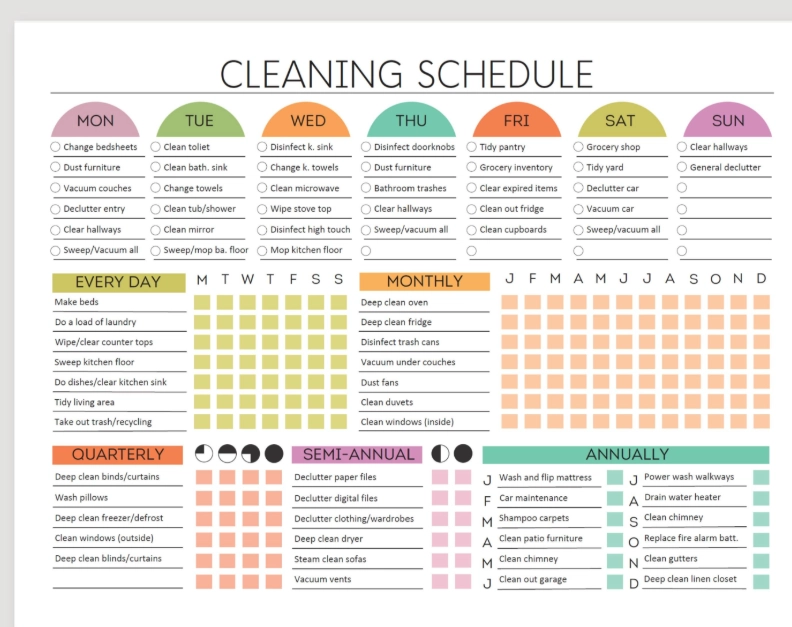
I used to try to do everything in one day. Bad idea. Now I spread it over 5 days, one room per day, with a break day in between. Here’s a sample schedule that works for a typical 2-bedroom apartment:
| Day | Room | Time estimate | Key focus |
|---|---|---|---|
| Day 1 | Kitchen | 2–3 hours | Degreasing + appliances |
| Day 2 | Bathroom | 1.5–2 hours | Mold prevention + fixtures |
| Day 3 | Living Room & Bedroom | 2 hours | Dust zones + textiles |
| Day 4 | Entryway & Storage | 1 hour | Organization + deep wipe |
| Day 5 | Catch-up / rest | 0–1 hour | Finish lingering tasks |
One more thing: don't aim for perfection. I used to stress over every smudge. Now I aim for "90% clean"—and that's fine. Your home will still feel reset.
Common Questions I Hear About Seasonal Resets
This article was fact-checked for accuracy based on personal experience and industry best practices.


Comments