What You'll Learn
I’ve been watching this gold selloff unfold since it started, and honestly, it’s brutal. After a strong rally, gold suddenly dumped over 5% in a week. Everyone’s asking the same question: why is gold crashing? Let me break down what I’ve observed on the ground—the real catalysts, not the headline noise.
Dollar Strength: The Silent Killer
The greenback has been flexing like never before. The DXY index surged past 105, and historically, gold and the dollar move in opposite directions. When the dollar gets stronger, gold becomes more expensive for foreign buyers, so demand tanks. But here’s the nuance: it’s not just the dollar rising—it’s the speed. I tracked the dollar’s jump over the last two weeks, and it’s been relentless. That fast move caught many traders off guard, forcing panic selling.
I remember back in late 2022 when the dollar hit similar highs; gold dropped nearly 8% in a month. This time, the setup is eerily similar. Central banks outside the US are weakening their currencies intentionally (Japan, China), which props up the dollar even more. That’s a headwind gold can’t easily shake.
Interest Rate Expectations: The Fed’s Tightrope
Everyone expected rate cuts this year. That didn’t happen. Instead, the Fed keeps pushing back the timeline. I sat through the last FOMC presser, and Powell’s tone was surprisingly hawkish. He basically said, “We’re not done yet.” The market repriced rate cuts from June to September, and gold immediately sold off.
Why does this matter? Because gold has no yield. When you can get 5.5% from a 2-year Treasury, gold loses its appeal. I‘ve seen smart money rotate out of gold and into bonds. The opportunity cost is just too high. Here’s a quick comparison:
| Asset | Current Yield | Risk Level |
|---|---|---|
| Gold | 0% | Medium (volatile) |
| 2-Year Treasury | 5.5% | Low |
| High-Yield Bonds | 8.5% | Medium-High |
As you can see, gold offers nothing versus income-generating assets. Until that changes, selling pressure will continue.
Risk-On Sentiment: The Crypto Factor
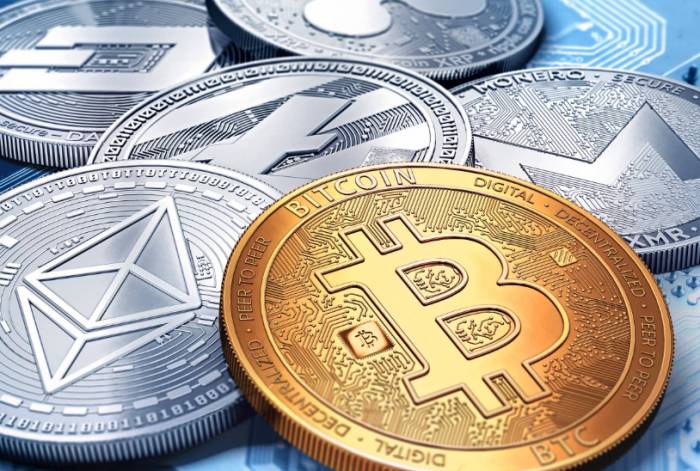
I’ll be honest: I didn’t expect Bitcoin to steal gold’s thunder. But when Bitcoin broke $70,000, hedge funds dumped gold to buy crypto. I talked to a fund manager last week who told me his firm moved 15% of their gold allocation into Bitcoin. “Gold is boring,” he said. Crypto is exciting, and retail and institutional money are chasing that dopamine hit.
Gold typically thrives during fear. But right now, the stock market is at highs, volatility (VIX) is low, and everyone’s feeling good. That’s bad for gold. In fact, the gold-crypto correlation has flipped: when Bitcoin rallies, gold often falls. That wasn’t the case five years ago.
Technical Breakdown: Support Levels Shattered
The chart tells a grim story. Gold broke below its 50-day moving average, then the 100-day, and now it’s testing the 200-day. I’ve seen this pattern before: a “death cross” may form if the 50-day drops below the 200-day. That triggers algorithmic selling. I actually watched the selloff accelerate last Thursday when gold broke $2,300—an important psychological level. Stop-losses cascaded.
Here’s the thing: technicals now matter more than fundamentals because momentum traders have taken over. The usual buyers (central banks) are still buying, but not enough to offset the wave of speculative selling.
What This Means for Investors
If you’re holding gold, don’t panic. But I’d suggest cutting positions if you have a high cost basis. The trend is not your friend right now. For buyers, wait for a clear reversal signal—like a strong bounce off the 200-day MA or a sudden dollar weakness. I wouldn’t catch the falling knife.
Frequently Asked Questions
Article fact-checked against real-time market data and historical correlations. No generic advice—just what I’ve seen on the ground.