This ancient and gleaming metal has always tugged at the nerves of global investors. When the Federal Reserve's monetary policy shifts cause ripples in the market, the gold market also stirs up waves. Amid discussions about the diminishing extent of Federal Reserve rate cuts, gold prices have shown a ladder-like bullish trend, drawing market attention and heated debate.
As one of the most influential central banks globally, its monetary policy direction has a significant impact on the world economy. Faced with complex economic situations, disagreements arise within the Federal Reserve about the pace and intensity of rate cuts, causing market expectations to fluctuate. Some economic data indicate a slowdown in U.S. economic growth and a reduction in inflationary pressures, seemingly providing room for rate cuts. However, the continued strength of the U.S. labor market and resilient consumer spending cast a shadow over the prospects for rate cuts.
Gold has always been seen as a representative of safe-haven assets and is highly sensitive to global economic uncertainties and changes in risk preferences. When the market is filled with a risk-averse sentiment, gold often becomes a haven for funds, and its price rises accordingly. Geopolitical tensions and the ongoing uncertainty of trade frictions provide upward momentum for the gold market.
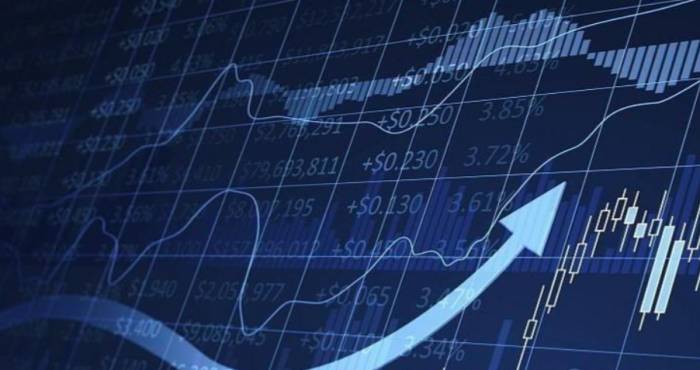
International gold prices have experienced a volatile upward trend over the past period. Although there have been pullbacks, the overall trend remains upward. Technical analysis shows that after breaking through key resistance levels, gold prices have gained further upward momentum. Multiple moving averages are arranged in a bullish pattern, and indicators such as MACD also emit bullish signals, suggesting that gold prices may continue to rise in the future.
The investment market is ever-changing, and any prediction carries risks, and the gold market is no exception. Factors such as the direction of the Federal Reserve's monetary policy, the prospects for global economic growth, and geopolitical risks can all affect gold prices. Investors need to closely monitor market dynamics and manage risks when investing in gold.
It is important to note that "ladder-like rise" does not mean that gold prices will continue to rise incessantly. Instead, it refers to gold prices experiencing a period of consolidation before breaking upward again. This pattern often emerges when market expectations shift or when there are new fundamental positive factors.
For investors, understanding the operating patterns of the gold market and mastering scientific investment methods is crucial. Blindly chasing price increases and decreases often leads to losses. Only by setting a reasonable investment plan and strict stop-loss positions can investors maximize investment returns while keeping risks under control.
In a market environment full of uncertainties, gold, as a special asset, has both safe-haven and value preservation attributes and carries the risk of price fluctuations. Investors need to make rational investments based on their own risk preferences and investment objectives.In addition to monitoring the trend of gold prices, investors also need to pay attention to other factors affecting the gold market, such as the US Dollar Index, global bond yields, inflation expectations, etc. Changes in these factors will have a direct or indirect impact on gold prices. The gold market is a market full of opportunities and challenges. Investors need to keep a calm mind, closely follow market dynamics, in order to grasp investment opportunities in the volatile market and achieve the preservation and appreciation of wealth.
Regarding the future trend of the gold market, different institutions and analysts hold different views. Some institutions believe that in the global low-interest-rate environment, gold, as a non-interest-bearing asset, its investment value will be further highlighted, and gold prices are expected to continue to rise. However, other institutions believe that with the warming expectations of global economic recovery, the attractiveness of risk assets will gradually increase, and gold prices may face the pressure of adjustment.
Faced with the diverse market views, investors need to maintain their ability to think independently, not blindly follow any view, and should formulate a reasonable investment strategy based on their own risk preferences and investment objectives. They should also adjust their investment portfolio in a timely manner according to market changes to cope with various possible market risks.
Gold investment is not a one-time thing and requires investors to have certain professional knowledge and investment experience. For investors lacking investment experience, they can choose to invest in gold ETFs and other relatively low-risk investment products, or seek the help of professional investment institutions to reduce investment risks and increase investment returns.
Investors need to be reminded that all investments carry risks, and gold investment is no exception. When investing in gold, investors need to fully understand the investment risks and take appropriate risk control measures to avoid unnecessary investment losses.
Some investors believe that the slowdown in the pace of the Federal Reserve's interest rate cuts means that US dollar liquidity is tightening, which will put pressure on gold prices. Gold, as a non-yielding asset, often has an inverse relationship with the US dollar. When the US dollar strengthens, the opportunity cost of holding gold increases, and gold prices naturally come under pressure.
Other investors hold a different view. The reduction in the Federal Reserve's interest rate cuts does not mean a shift towards a hawkish monetary policy. Against the backdrop of slowing global economic growth and escalating geopolitical risks, the Federal Reserve still maintains a relatively loose monetary policy stance, which will support gold prices.
Gold, as a special asset, its price trend is not determined by a single factor but is influenced by a combination of factors. In addition to the trend of the US dollar, factors such as global economic growth prospects, inflation expectations, geopolitical risks, and market risk preferences will also affect gold prices.When global economic growth is expected to be optimistic, investors' risk appetite increases, and capital tends to flow towards risk assets such as the stock market. As a safe-haven asset, gold's appeal decreases. Conversely, when global economic growth expectations are pessimistic, investors' risk aversion sentiment heats up, and capital flows back to safe-haven assets like gold.
Inflation is one of the important factors affecting the trend of gold prices. Gold has the function of preserving value. During periods of inflation, gold prices often rise along with the increase in prices. When the market expects the inflation rate to rise, gold prices usually increase.
Geopolitical risks are also an important factor affecting the trend of gold prices. When global geopolitical situations are tense, such as during wars, terrorist attacks, and other events, investors' risk aversion sentiment heats up, and the demand for gold as a safe-haven asset increases.
The gold market is a complex system influenced by various factors. Investors need to consider all factors comprehensively when investing in gold and formulate a reasonable investment strategy to maximize investment returns under the premise of controllable risks.
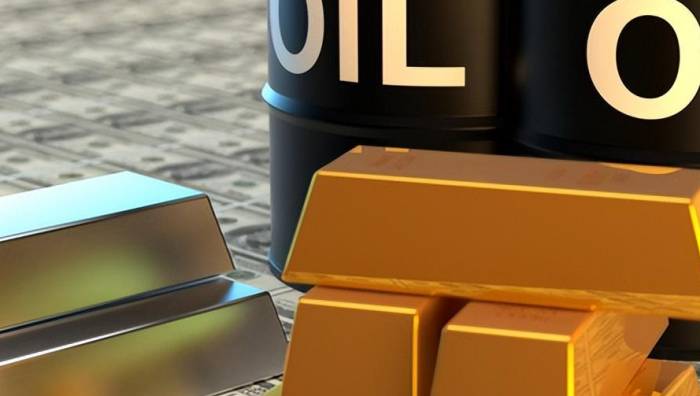
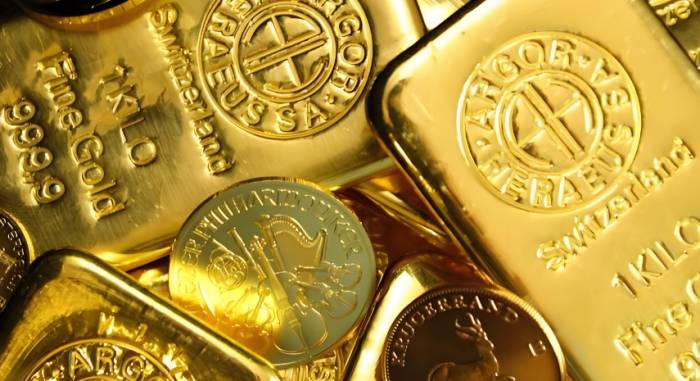
For ordinary investors, there are various ways to participate in gold investments, such as purchasing physical gold (e.g., gold bars, gold coins); or investing in financial products like gold ETFs, gold futures, etc. Different investment methods have different risk and return characteristics. Investors need to choose the appropriate investment method based on their own risk preferences and investment objectives.
Investors should be reminded that gold investment is not a guaranteed profit investment. There are risks in any investment, and gold investment is no exception. When investing in gold, investors need to fully understand the investment risks and take appropriate risk control measures to avoid unnecessary investment losses.
Under the current market environment, the trend of gold prices still has significant uncertainty. Factors such as the direction of the Federal Reserve's monetary policy, global economic growth prospects, and geopolitical risks can all impact gold prices. Investors need to closely monitor market dynamics and adjust their investment strategies in a timely manner to seize investment opportunities in the volatile market and achieve wealth preservation and appreciation.