Ever wondered if ancient cultures still thrive in our modern world? The answer will surprise you.
5. The San People of the Southwest African Desert
The San people of the Southwest African Desert are an ancient and enigmatic tribe with a rich cultural heritage. Despite gradual contact with modern civilization, they continue to preserve many of their traditional ways of life.
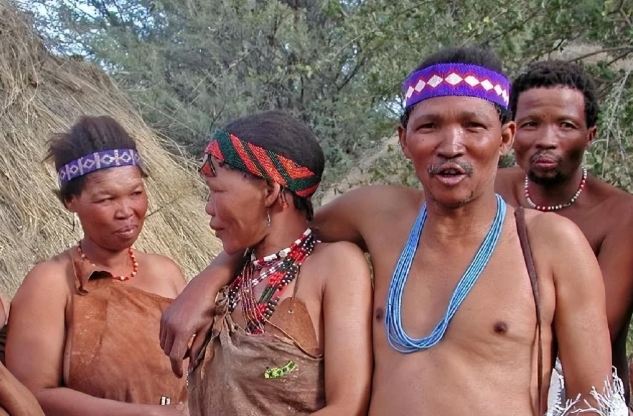
With a history spanning approximately 5,000 years, the San inhabit the harsh, arid regions of Southwest Africa. Over millennia, they have adapted remarkably to this challenging environment, sustaining themselves through hunting, gathering, and herding. Only in recent decades have their traditions and lifestyle begun to gain recognition and study.
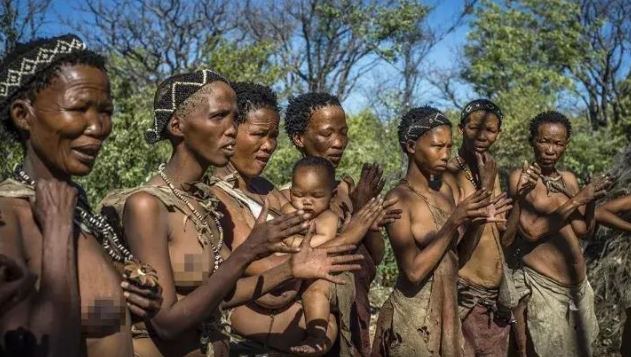
The San possess a distinct culture, including their own language—a polysyllabic tongue rich in oral tradition—as well as unique music and dance, which play central roles in ceremonies and celebrations.
Their social structure is matrilineal, with family lineages traced through mothers. Women typically hold significant decision-making power and property rights, while men are primarily responsible for hunting, herding, and defense.
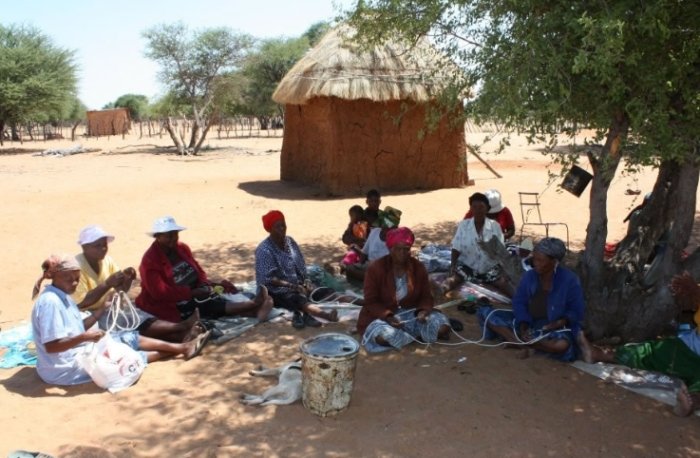
Using tools like bows, arrows, spears, and traps, the San hunt wild game, gather edible plants, and raise livestock such as cattle, sheep, and camels.
But this is just the beginning. Let’s venture deeper into the rainforest.
4. The Pygmies of the Congo Rainforest in West Africa
The Congo Rainforest, one of the world’s oldest and most complex tropical ecosystems, is home to numerous indigenous tribes, among whom the Pygmies are particularly notable.
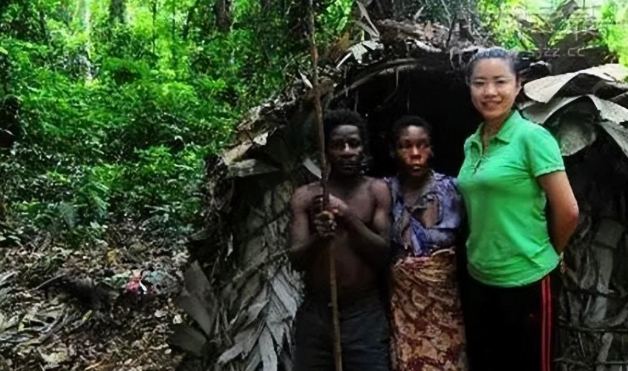
The Pygmies are a hunter-gatherer society deeply connected to the rainforest. They live in simple shelters, without modern amenities, relying entirely on natural resources.
Their diet includes wild fruits, cultivated crops, game, and fish, which they hunt using traditional weapons like bows and poisoned arrows. They also possess extensive knowledge of medicinal plants.
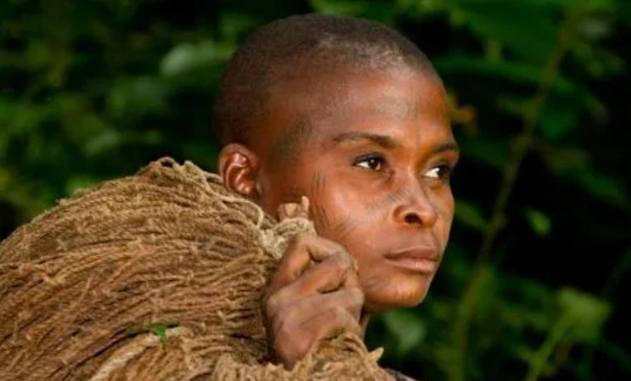
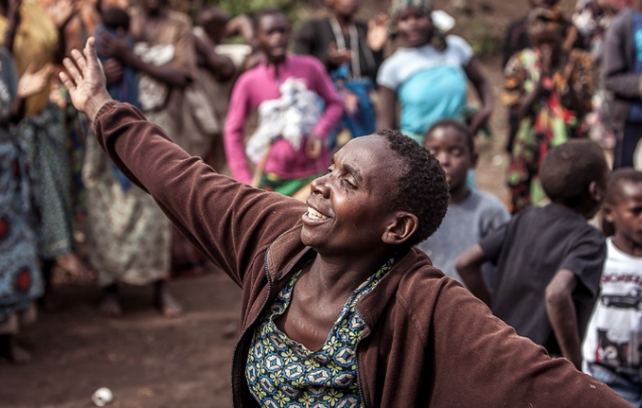
Culturally, the Pygmies practice animism, believing that all elements of nature possess spirits. Socially, they organize around matrilineal clans, often living in extended family units where women hold respected roles. Music and dance are vital to their rituals, used to honor nature and seek protection from spirits.
Their society is characterized as “decentralized yet centralized,” with each family having its own leader, while a central elder oversees the broader community. This structure helps maintain social harmony.
Ready for more? Let’s travel to the highlands of Papua New Guinea.
3. The Papuans of Australia (Papua New Guinea)
The Papuans of Papua New Guinea are among the world’s oldest tribes, residing in the highland regions. They sustain themselves through hunting, gathering, and farming, and their culture is filled with unique traditions.
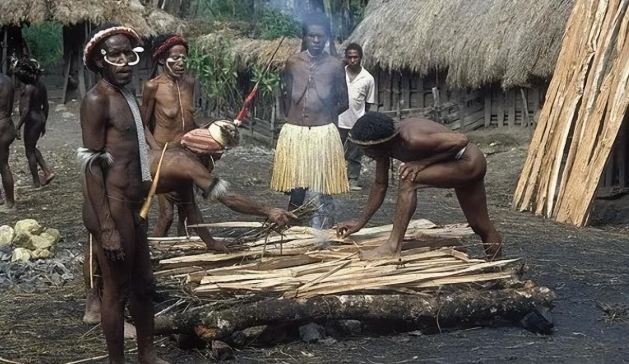
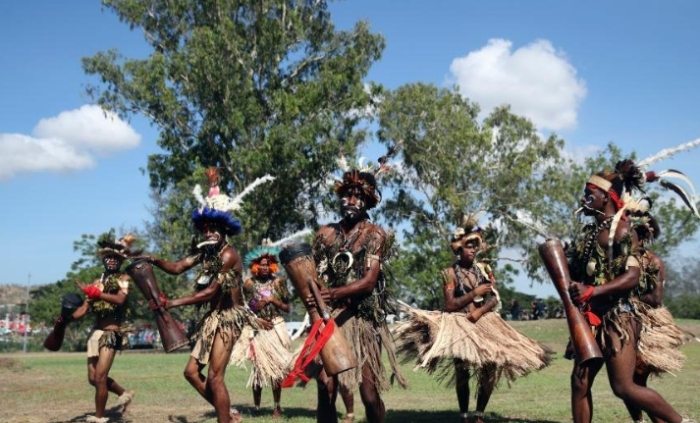
Papuans live in tribal communities composed of several clans. Their languages and customs are highly diverse, yet they share common cultural traits. One such tradition is the Mokomoko dance, performed during celebrations with dancers adorned in feathered costumes and carrying bird wings and long sticks.
Another fascinating ritual is the “human chimney,” where human ashes are placed in a wooden tube with herbs and smoked—a practice believed to release the spirit of the deceased. Though once common, it is now rarely performed.
But the journey isn’t over yet. Let’s head to the isolated islands of the Andaman.
2. The Andamanese of the Eastern Indian Islands
The Andamanese are an indigenous tribe living in primitive conditions on the Andaman Islands in the eastern Indian Ocean. Isolated for much of their history, they have developed a highly distinct culture and genetic profile.
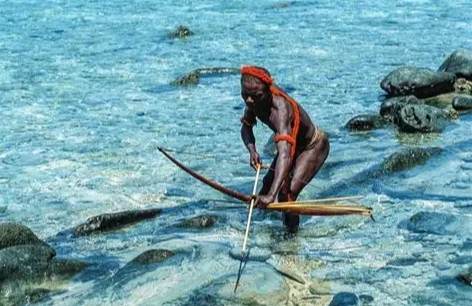
Living with minimal modern amenities and limited healthcare, the Andamanese face significant health challenges. Their language is considered one of the world’s oldest, with no clear links to major language families. Genetically, they are among the most unique human populations.
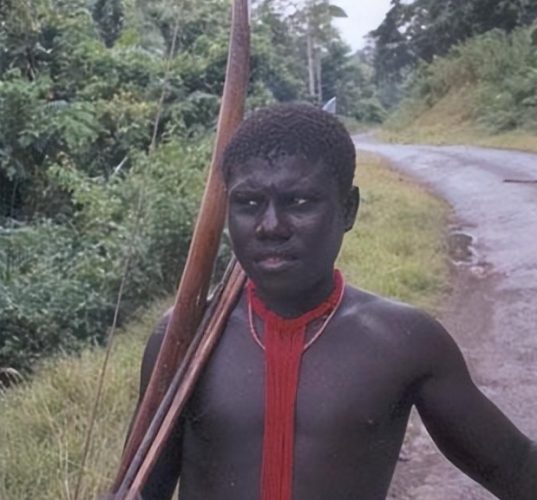
Socially, the Andamanese are deeply communal, sharing resources and supporting one another. Gift-giving—using shells, animal meat, or fruits—is a common practice that strengthens social bonds. They are skilled fishermen, using handmade spears and nets, and are also known for their woodcarvings, which play important roles in rituals and exchanges.
Now, let’s brave the cold and journey to the Arctic.
1. The Inuit of the Arctic
The Inuit, indigenous to the Arctic regions of Canada and Greenland, have developed a culture intricately adapted to one of the harshest environments on Earth.
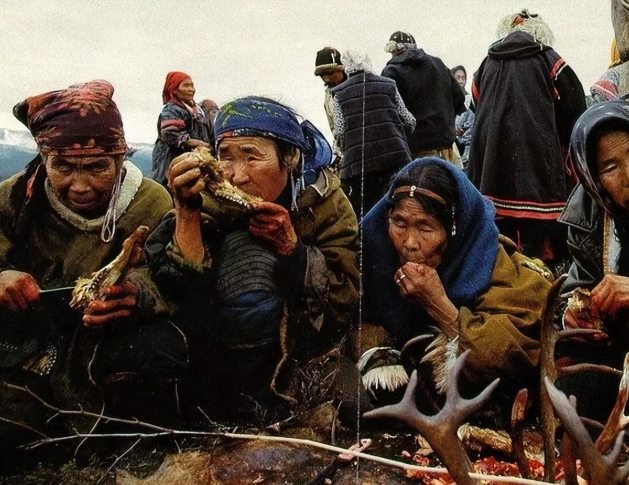
Inuit tribes are diverse, each with unique traditions. They traditionally live in wooden or stone longhouses, shared by multiple families. Their diet consists of seal, whale, fish, and polar bear, and they utilize marine resources for tools and clothing.
To survive extreme cold, the Inuit construct temporary snow houses known as igloos. These structures, with small entrances and internal heating, are essential for winter survival. Seal hunting is central to their livelihood, conducted using harpoons and bows. Successful hunts are celebrated with community festivities.
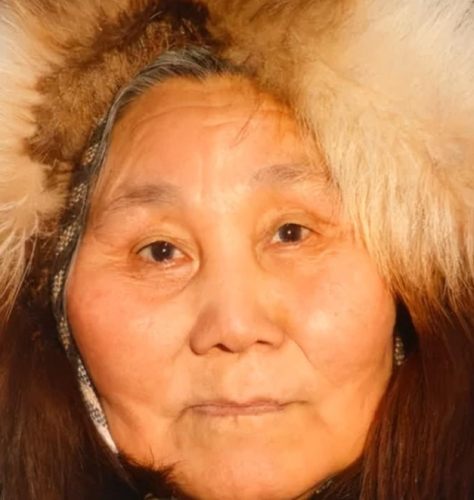
Among their most iconic traditions is the Inuit Drum Dance, a collective performance held during special occasions. Dancers join hands in a large circle, moving to rhythmic steps for hours. Another fascinating practice is the use of talismans made from animal bones, feathers, and stones, believed to ward off evil spirits.
And there you have it—five ancient tribes that continue to uphold their ancestral ways against the tides of time. Their stories are not just historical artifacts; they are living testimonies to human resilience and cultural diversity. Which of these tribes fascinated you the most?